Rig Veda
Bienvenue sur le site du Rig Veda, le plus vieux livre au monde
Welcome on the site of the Rig Veda, the oldest book of the world
-
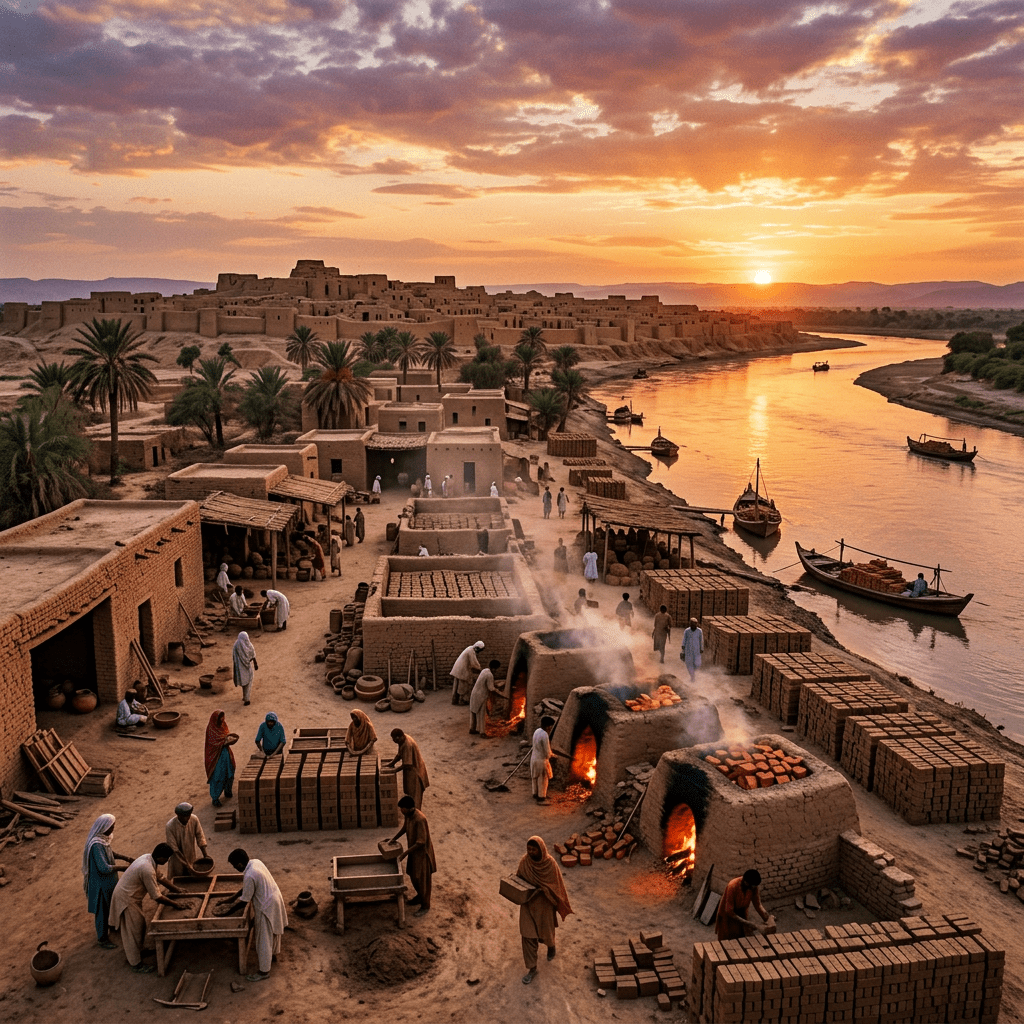
In the civilization of the Seven Rivers, fired bricks followed the same ratio everywhere with no central power enforcing it. A lesson in cultural coherence for our time. Discover what this spontaneous standardization reveals about the philosophy of the Sapta…
-
La brique cuite comme philosophie : standardisation sans centralisation dans le Sapta Sindhu
Dans la civilisation des Sept Rivières, les briques cuites respectaient partout le même ratio sans qu’aucun pouvoir central ne l’impose. Une leçon de cohérence culturelle pour notre époque. Découvrez ce que cette standardisation spontanée révèle de la philosophie du Sapta…
-

The Castes of the Rig Veda and Modern Inequalities
There are few subjects more misunderstood — and more instrumentalized — than that of castes in the Vedic tradition. On one side, an apology that minimizes the real inequalities they produced. On the other, a critique that projects onto the…
-
LES CASTES DU RIG VEDA ET LES INÉGALITÉS MODERNES
Il y a peu de sujets plus mal compris — et plus instrumentalisés — que celui des castes dans la tradition védique. D’un côté, une apologétique qui minimise les inégalités réelles qu’elles ont produites. De l’autre, une critique qui projette…
-

Mitra, le dieu des alliances — une leçon de diplomatie pour le monde moderne
Dans le Rig Veda, Mitra est le gardien des contrats et des alliances entre peuples. Sa sagesse millénaire offre un modèle de diplomatie fondé sur la confiance mutuelle, loin de la force et de la domination.
-
Mitra, God of Alliances — A Vedic Lesson in International Diplomacy
In the Rig Veda, Mitra is the guardian of contracts and alliances between peoples. His ancient wisdom offers a model of diplomacy built on mutual trust, far from force and domination.
-

The Seven-Holed Flute — Music and Consciousness in the Sapta Sindhu
There is in the civilization of the 7 Rivers a dimension that archaeologists have difficulty excavating — not because it has disappeared without leaving traces, but because its traces are of a different nature from those found in brick and…
-
LA FLÛTE À SEPT TROUS — MUSIQUE ET CONSCIENCE DANS LE SAPTA SINDHU
Il y a dans la civilisation des 7 Rivières une dimension que les archéologues ont du mal à fouiller — non pas parce qu’elle a disparu sans laisser de traces, mais parce que ses traces sont d’une nature différente de…
-
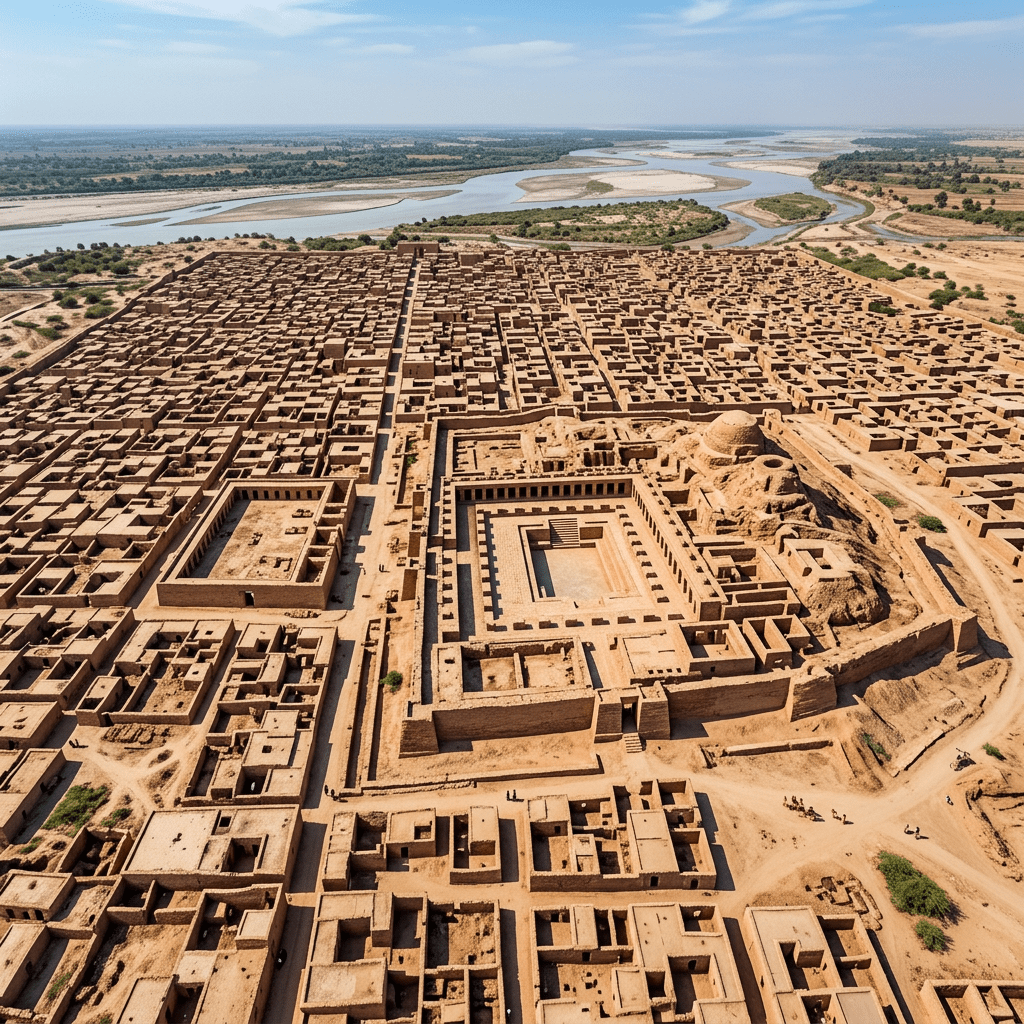
The Great Bath of Mohenjo-Daro — Ritual Purification and Public Hygiene
There is at Mohenjo-Daro a structure that has fascinated archaeologists since its discovery in the 1920s. At the heart of the citadel — on the upper part of the city, where the most important buildings are located — a large…
-
LE GRAND BAIN DE MOHENJO-DARO — PURIFICATION RITUELLE ET HYGIÈNE PUBLIQUE
Il y a à Mohenjo-Daro une structure qui a fasciné les archéologues depuis sa découverte dans les années 1920. Au cœur de la citadelle — sur la partie haute de la ville, là où se trouvent les bâtiments les plus…

