Étiquette : sarasvatî
-

Le Soma et l’Haoma : la même plante, deux noms, deux civilisations sœurs
Soma et haoma : une même plante sacrée, deux noms, deux civilisations sœurs. Découvrez les dieux communs à l’Inde védique et à l’Iran ancien, de Mitra à Varuna.
-
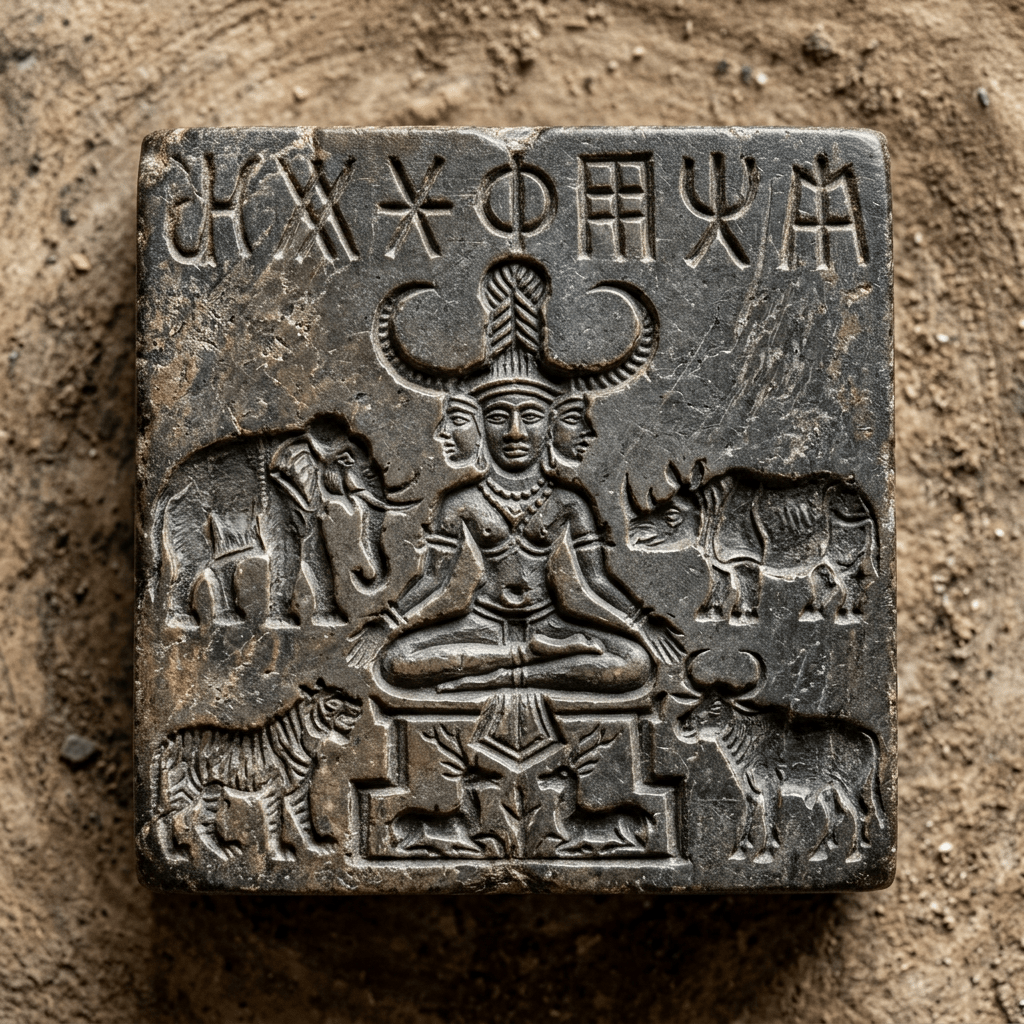
Pashupati, maître des animaux : Shiva avant Shiva
Pashupati, le Maître des animaux, apparaît sur un sceau de Mohenjo-Daro bien avant que Shiva n’existe. Qui est cette divinité mystérieuse, et que nous dit-elle de la spiritualité védique ?
-
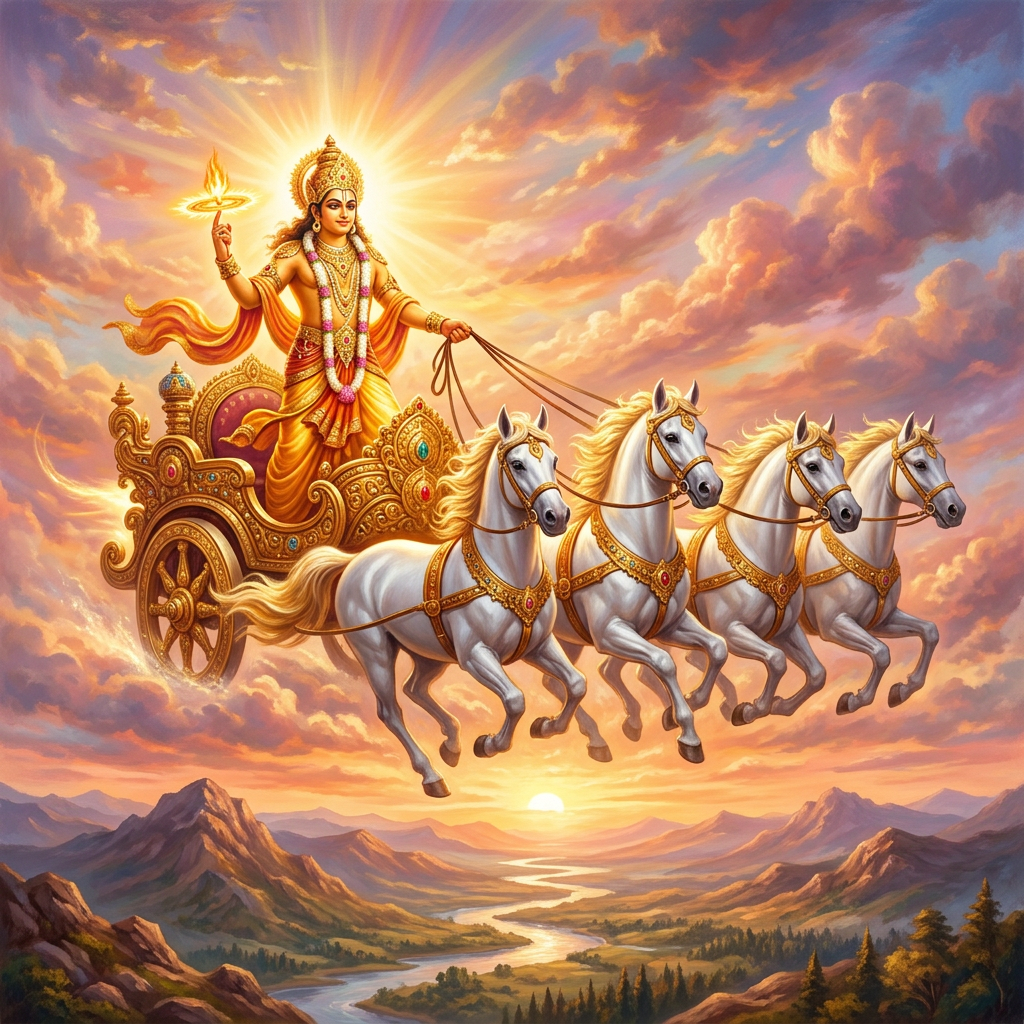
Solar Symbolism in the Vedic Pantheon
There is in the Rig Veda a presence that runs through all the hymns — visible or invisible, named directly or evoked through metaphor. The sun. Not simply as a physical star, as an astronomical object that rises and sets — but as a fundamental cosmological force, as a principle of knowledge, as the source…
-
LA SYMBOLIQUE SOLAIRE DANS LE PANTHÉON VÉDIQUE
Il y a dans le Rig Veda une présence qui traverse tous les hymnes — visible ou invisible, nommée directement ou évoquée par métaphore. Le soleil. Pas simplement comme astre physique, comme objet astronomique qui se lève et se couche — mais comme force cosmologique fondamentale, comme principe de connaissance, comme source de toute vie…
-
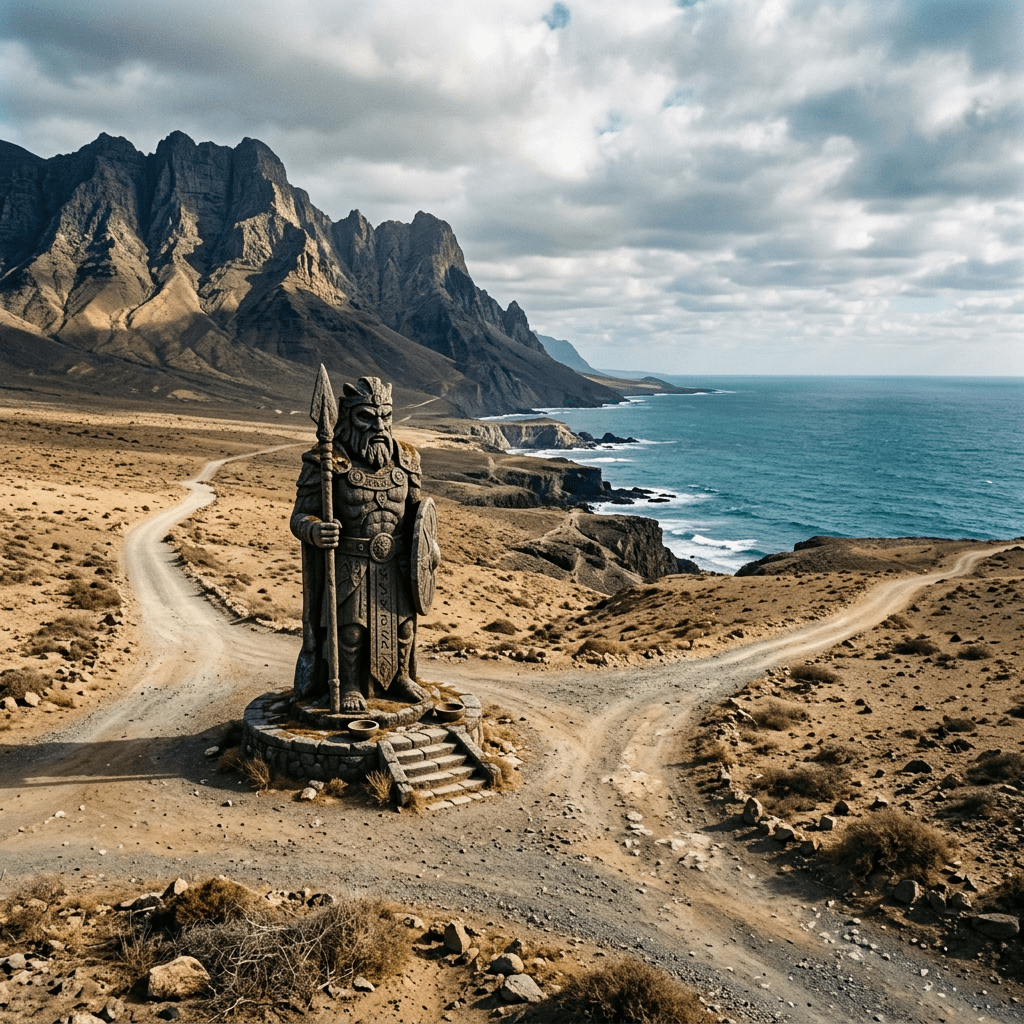
Aryaman and the Migration Crisis
There is in the Rig Veda an Aditya — one of those solar gods, sons of Aditi — whose name and function are particularly striking in the context of our era. Aryaman. The guardian of paths, the protector of travelers, the god of alliances and bonds between communities.
-
ARYAMAN ET LA CRISE MIGRATOIRE
Il y a dans le Rig Veda un Aditya — un de ces dieux solaires fils d’Aditi — dont le nom et la fonction sont particulièrement frappants dans le contexte de notre époque. Aryaman. Le gardien des chemins, le protecteur des voyageurs, le dieu des alliances et des liens entre les communautés.
-
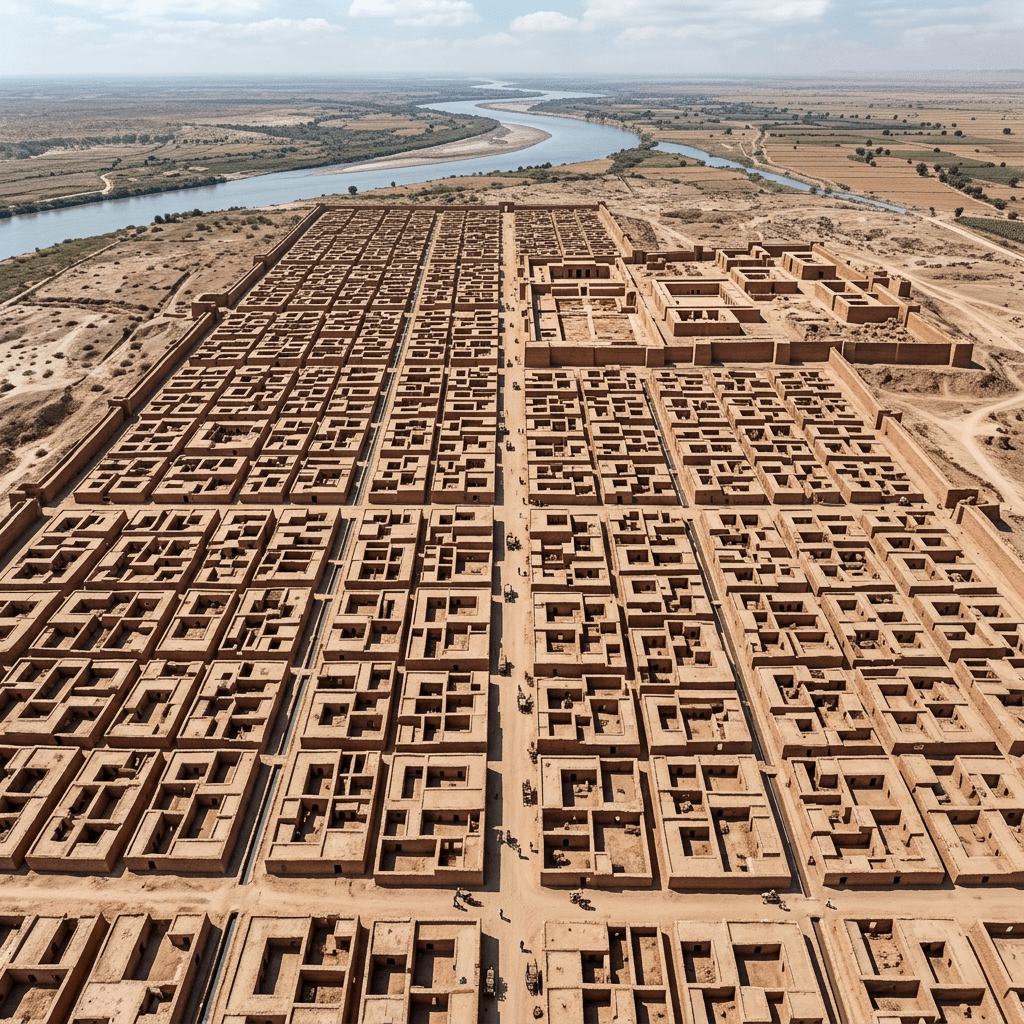
No palace, no temple: a civilization without architectural prestige
No palace, no temple, no royal statue: the civilization of the Sapta Sindhu chose not to build monuments to power. An absence that speaks louder than any pyramid — and a lesson for our age obsessed with architectural prestige.
-
Pas de palais, pas de temple : une civilisation sans prestige architectural
Ni palais, ni temple, ni statue de roi : la civilisation du Sapta Sindhu a choisi de ne pas construire de monuments au pouvoir. Une absence qui en dit plus long que bien des pyramides — et une leçon pour notre époque obsédée par le prestige architectural.
-
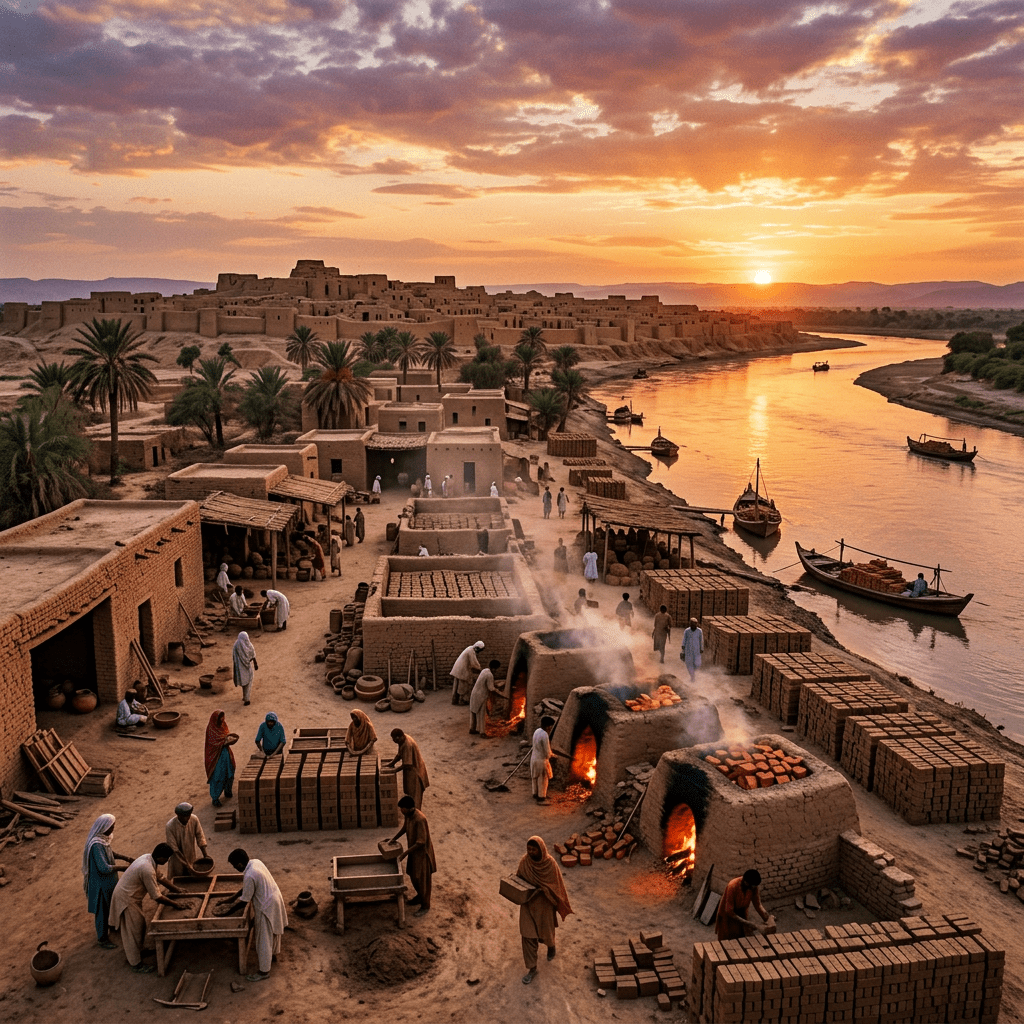
The fired brick as philosophy: standardization without centralization in the Sapta Sindhu
In the civilization of the Seven Rivers, fired bricks followed the same ratio everywhere with no central power enforcing it. A lesson in cultural coherence for our time. Discover what this spontaneous standardization reveals about the philosophy of the Sapta Sindhu.
-

LES CASTES DU RIG VEDA ET LES INÉGALITÉS MODERNES
Il y a peu de sujets plus mal compris — et plus instrumentalisés — que celui des castes dans la tradition védique. D’un côté, une apologétique qui minimise les inégalités réelles qu’elles ont produites. De l’autre, une critique qui projette sur le Rig Veda une rigidité sociale qui n’y est pas encore présente. La vérité…

