Étiquette : indus
-
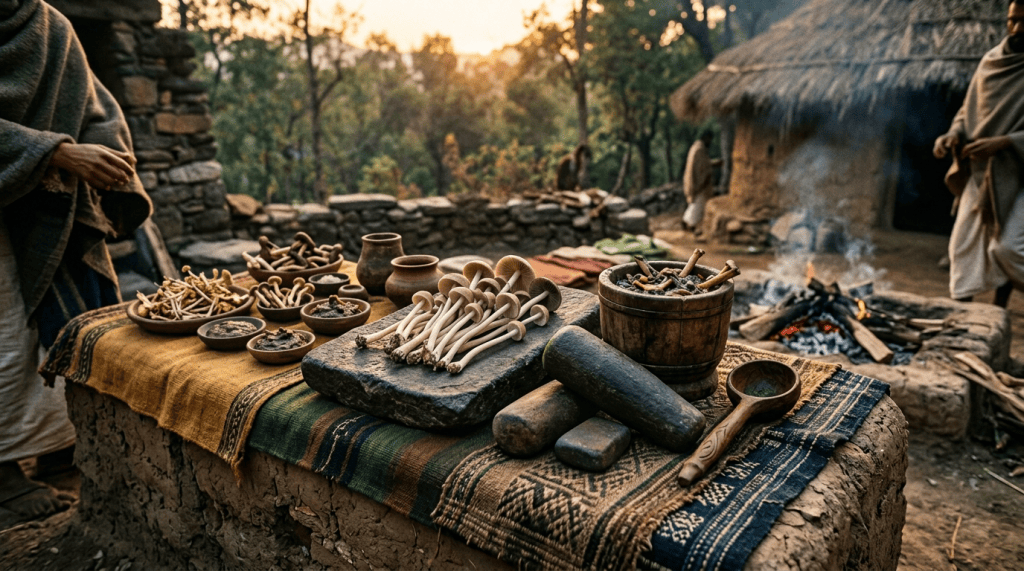
La préparation rituelle du Soma
La préparation rituelle du Soma dans le Rig Veda — pressage, filtrage, mélange et mantras. Comment cette plante enthéogène devenait une offrande sacrée.
-
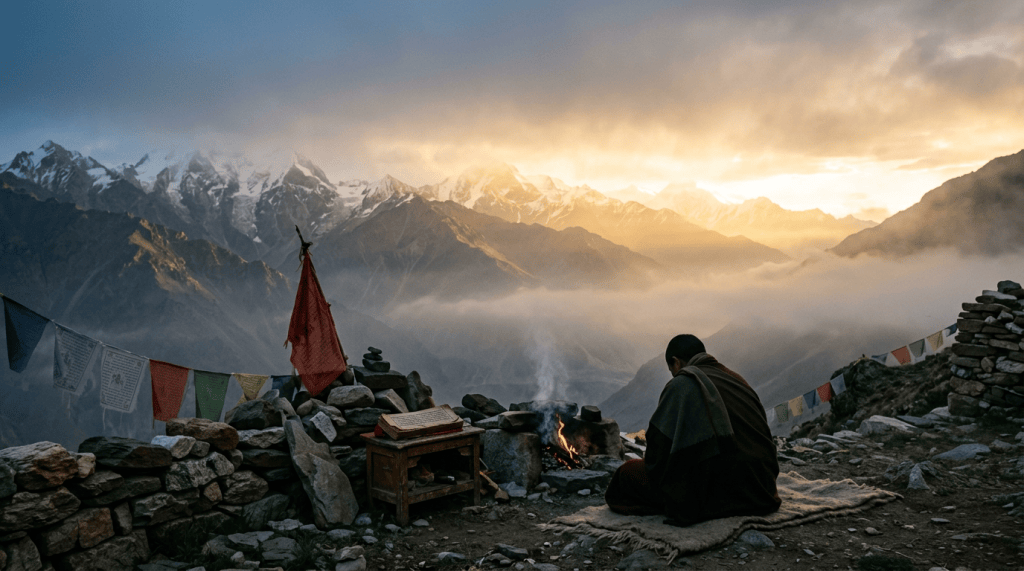
Bṛhaspati and the Theft of the Cows by the Paṇis
In the Rig Veda, Bṛhaspati splits the mountain and frees the cows hidden by the Paṇis. A myth with two readings: the cosmic narrative and the inner awakening toward Light.
-
Bṛhaspati et le vol des vaches par les Paṇis
Dans le Rig Veda, Bṛhaspati fracture la montagne et libère les vaches cachées par les Paṇis. À deux niveaux : le mythe et l’éveil intérieur vers la Lumière
-

Soma and the Dissolution of the Ego
In the Rig Veda, soma is an entheogenic plant — most likely a psilocybe cubensis — whose main property is to dissolve the ego and open the door to mystical experience.
-
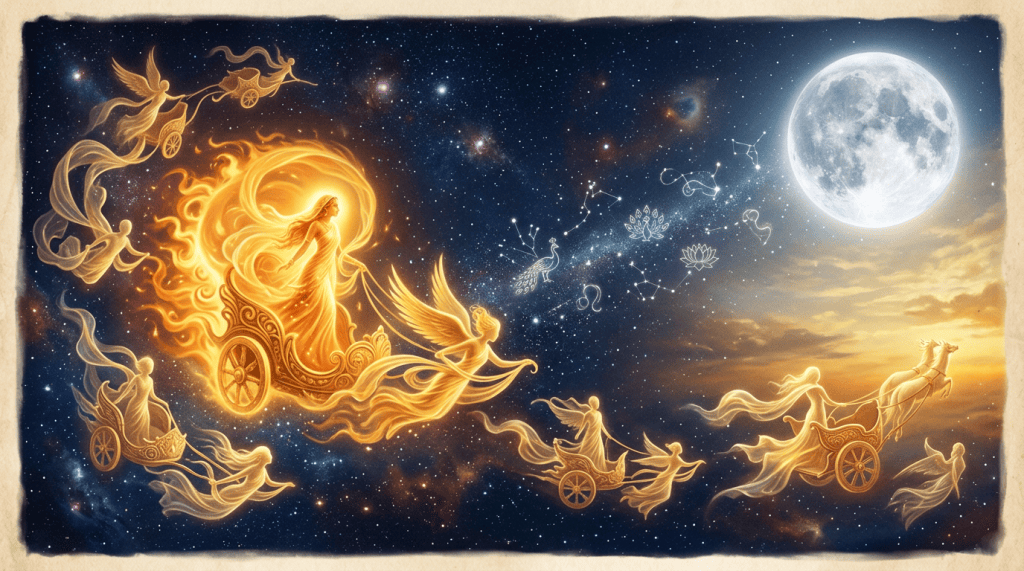
The Wedding Hymn — Sūryā and Soma (Maṇḍala X; Hymn 85)
Hymn 10.85 of the Rig Veda celebrates the wedding of Sūryā, daughter of the Sun, to Soma. A nuptial hymn concealing a cosmic and inner mystery.
-
L’hymne du Mariage — Sūryā et Soma (Mandala X ; Hymne 85)
L’hymne 10.85 du Rig Veda célèbre les noces de Sūryā, la fille du Soleil, avec Soma. Un hymne nuptial qui voile un mystère cosmique et intérieur
-
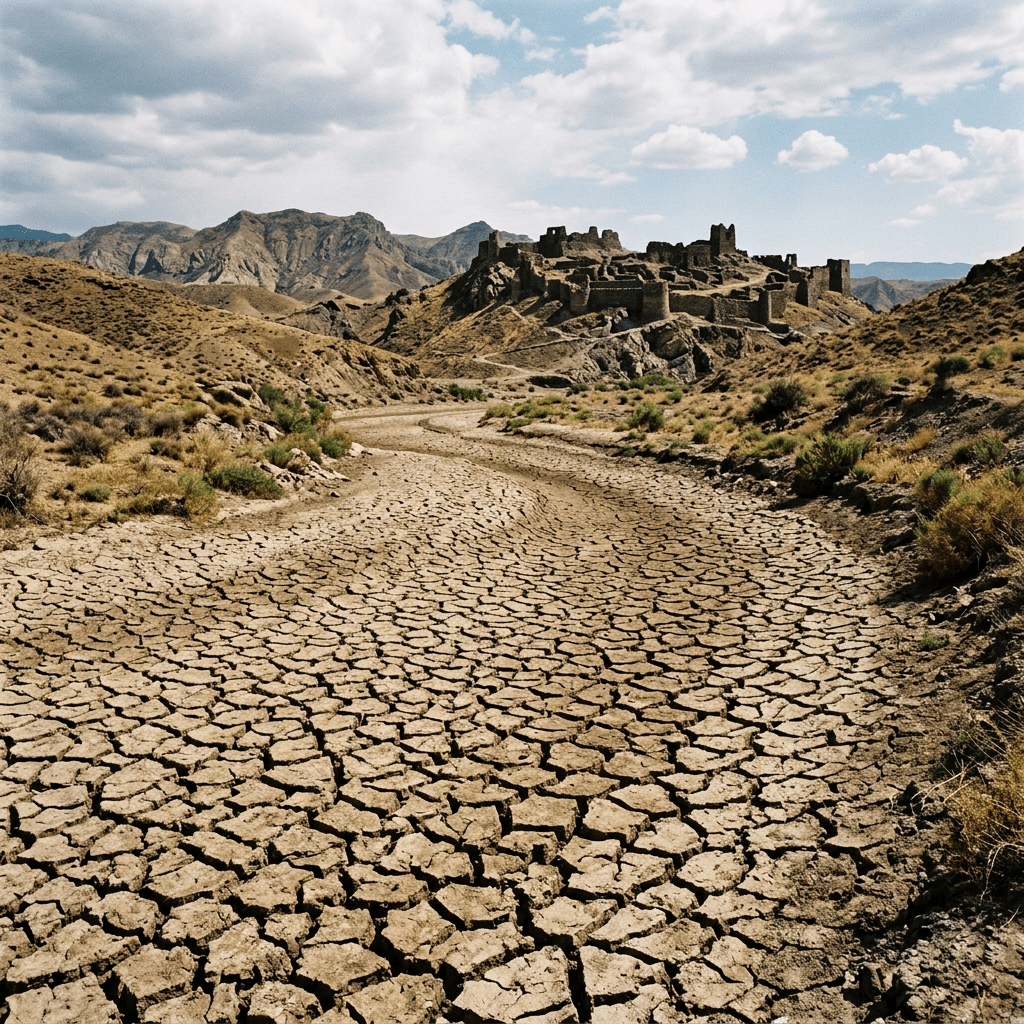
La grande sécheresse de 2200 BCE — dérèglement climatique et effondrement civilisationnel
Il y a 4 200 ans, une sécheresse mondiale a fait effondrer trois grandes civilisations simultanément. Ce que le Rig Veda en dit — et ce que ça nous apprend aujourd’hui.
-

The Soma — Sacred Drink and State of Consciousness
The soma of the Rig Veda is far more than a ritual plant. It is a key to illumination. What does the text actually tell us about this mysterious drink?
-
Le Soma — boisson sacrée et état de conscience
Le soma du Rig Veda n’est pas une simple plante rituelle. C’est une clé vers l’illumination. Que dit vraiment le texte sur cette boisson mystérieuse ?
-

Le Sanskrit védique — la langue des dieux
Il y a environ six mille ans, dans la vaste région allant du Gange à l’Indus, des poètes-sages composaient des hymnes d’une beauté et d’une profondeur que le monde n’avait encore jamais connues. Ces hommes et ces femmes que le Rig Veda appelle les rishis chantaient dans une langue que nous appelons aujourd’hui le sanskrit…

