Étiquette : harappa
-

THE PUBLIC GRANARIES: A COMMON-GOOD ECONOMY BEFORE ITS TIME
No palace, no temple — just a public granary at the heart of Indus-Sarasvatî cities. The economy of the commons before its time.
-
LES GRENIERS PUBLICS : L’ÉCONOMIE DU BIEN COMMUN AVANT LA LETTRE
Pas de palais, pas de temple, mais un grenier public au cœur des villes de l’Indus-Sarasvatî. L’économie du commun avant la lettre
-
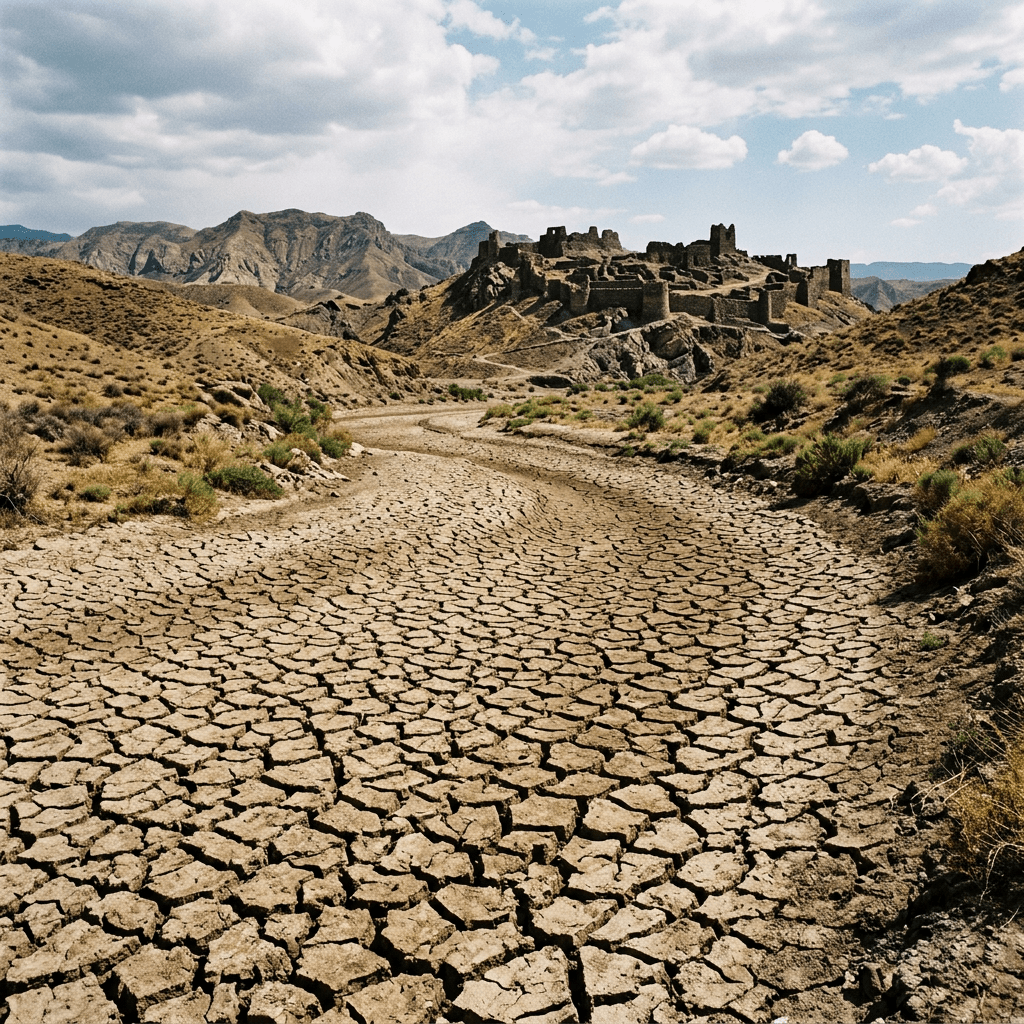
The Great Drought of 2200 BCE — Climate Disruption and Civilizational Collapse
4,200 years ago, a global drought brought down three great civilizations at once. What the Rig Veda tells us — and what it means for us today.
-
La grande sécheresse de 2200 BCE — dérèglement climatique et effondrement civilisationnel
Il y a 4 200 ans, une sécheresse mondiale a fait effondrer trois grandes civilisations simultanément. Ce que le Rig Veda en dit — et ce que ça nous apprend aujourd’hui.
-
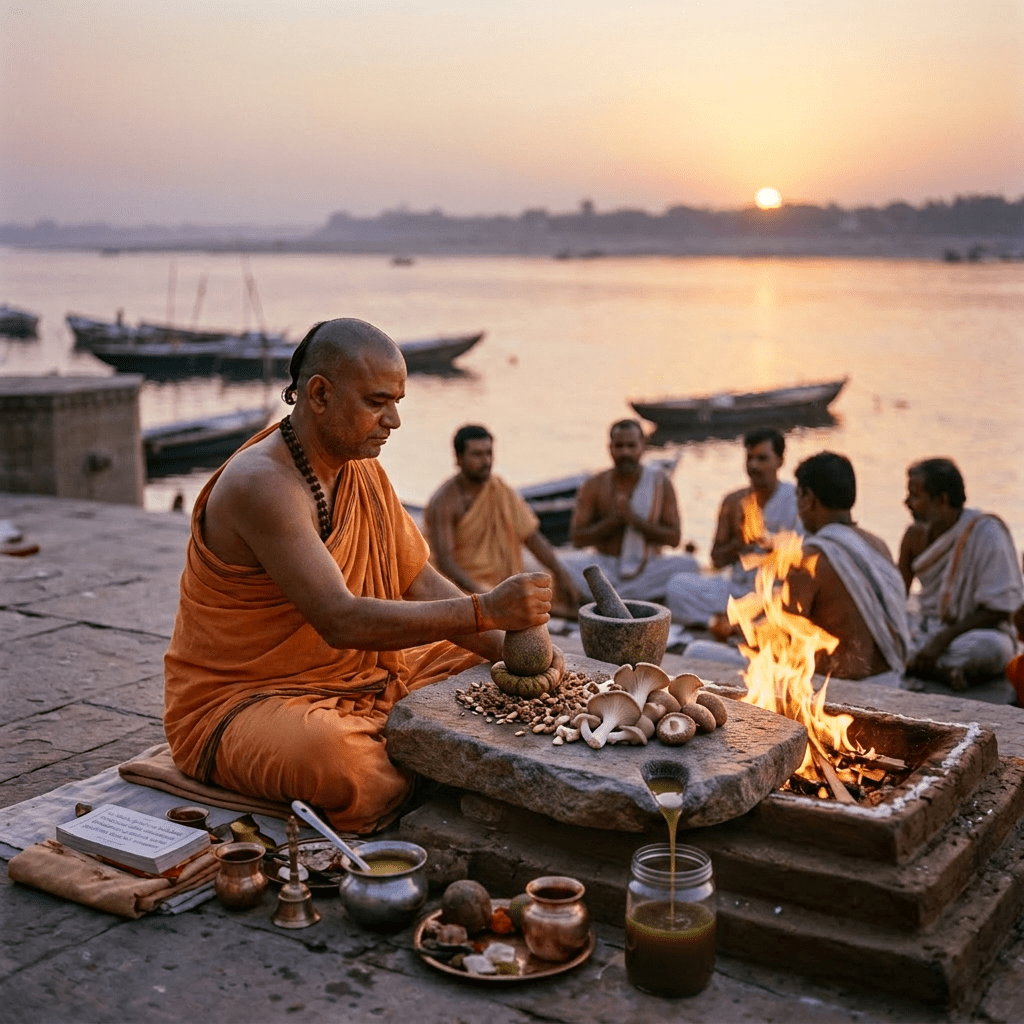
The Soma — Sacred Drink and State of Consciousness
The soma of the Rig Veda is far more than a ritual plant. It is a key to illumination. What does the text actually tell us about this mysterious drink?
-
Le Soma — boisson sacrée et état de conscience
Le soma du Rig Veda n’est pas une simple plante rituelle. C’est une clé vers l’illumination. Que dit vraiment le texte sur cette boisson mystérieuse ?
-

Le Sanskrit védique — la langue des dieux
Il y a environ six mille ans, dans la vaste région allant du Gange à l’Indus, des poètes-sages composaient des hymnes d’une beauté et d’une profondeur que le monde n’avait encore jamais connues. Ces hommes et ces femmes que le Rig Veda appelle les rishis chantaient dans une langue que nous appelons aujourd’hui le sanskrit…
-
Vedic Sanskrit — the Language of the Gods
About six thousand years ago, across the vast region stretching from the Ganges to the Indus, poet-sages were composing hymns of a beauty and depth the world had never seen before. These men and women, whom the Rig Veda calls the rishis, sang in a language we now call Vedic Sanskrit. A language that was…
-

INDRA N’ÉTAIT PAS UN CONQUÉRANT
En 2018, le généticien américain David Reich publie *Who We Are and How We Got Here* — un ouvrage remarquable sur les migrations humaines révélées par l’analyse de l’ADN ancien. Pour l’essentiel, ce livre est une contribution majeure à notre compréhension du peuplement de la planète
-
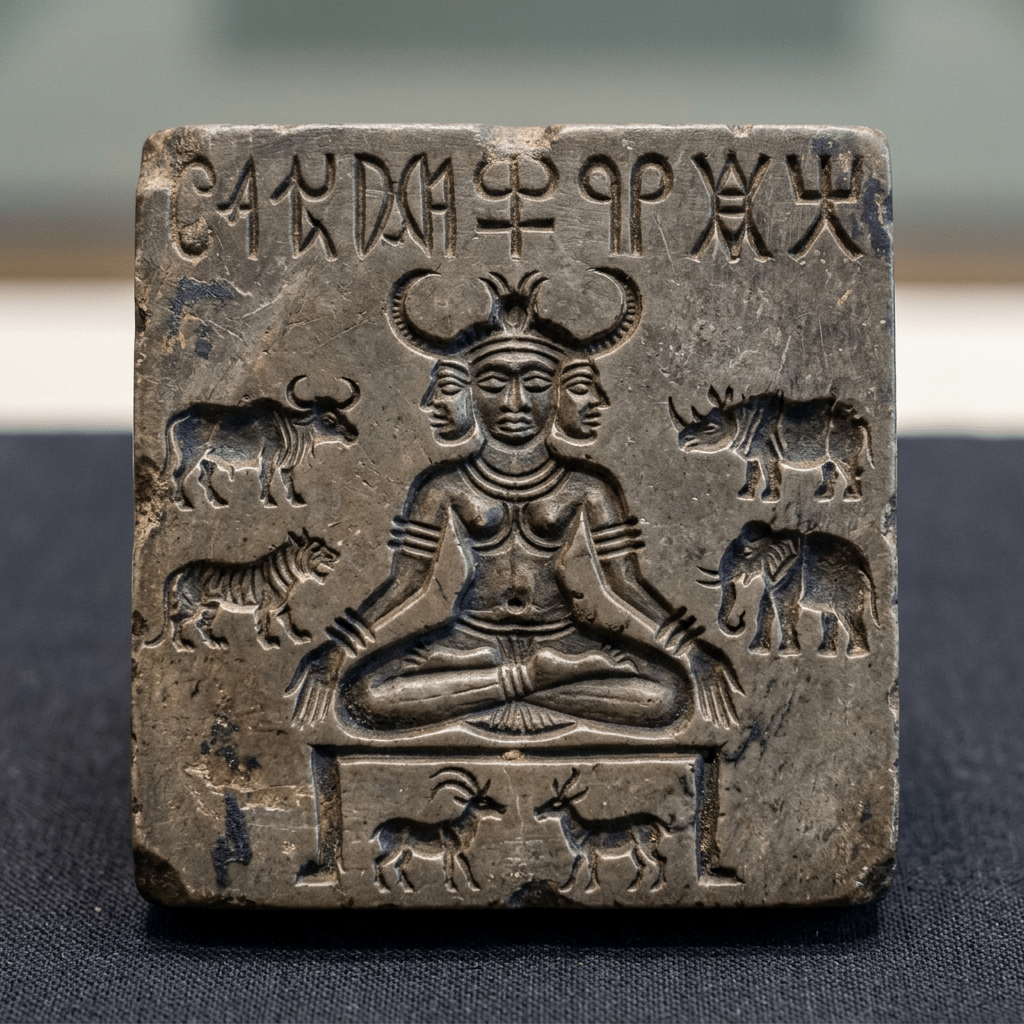
LE YOGA DES ORIGINES — AVANT PATAÑJALI
Il y a une idée reçue sur le yoga que la mondialisation de cette pratique a solidement installée dans l’esprit du grand public occidental. L’idée que le yoga est essentiellement une pratique physique — une série de postures, d’étirements, d’exercices de respiration — codifiée par Patañjali dans ses Yoga Sūtras, quelque part autour du IIème…

