Auteur : Hervé Le Bevillon
-

DYAUS — THE PATERNAL SKY AND THE SUPREME STATE OF CONSCIOUSNESS
The Sky is my father, he has engendered me » — Dyaus in the Rig Veda is both the physical sky and the supreme state of consciousness. A close reading of hymns 1.89, 1.160 and 1.164.
-
DYAUS — LE CIEL PATERNEL ET L’ÉTAT DE CONSCIENCE SUPRÊME
Le Ciel est mon père, il m’a engendré » — Dyaus dans le Rig Veda est à la fois le ciel physique et l’état de conscience suprême. Décryptage des hymnes 1.89, 1.160 et 1.164
-
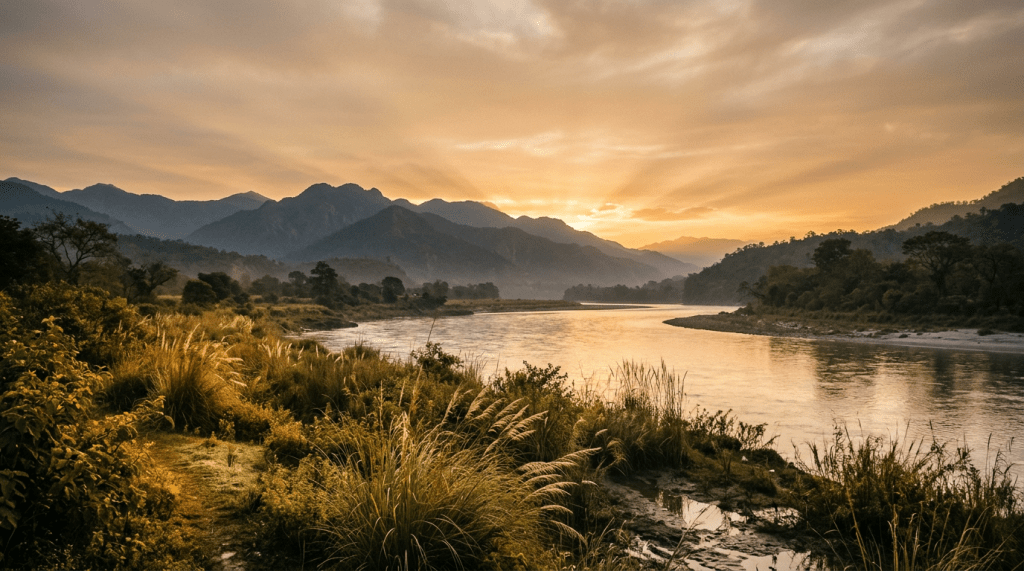
SAVITṚ — THE FORCE OF IMPULSE AND THE GĀYATRĪ
Savitṛ is the incitator — the Sun who stimulates thought. The Gāyatrī mantra has been addressed to him for 4,000 years. A close reading of hymns 1.35, 4.53 and 5.81-82.
-
SAVITṚ — LA FORCE D’IMPULSION ET LA GĀYATRĪ
Savitṛ est l’incitateur — le Soleil qui stimule la pensée. La Gāyatrī mantra lui est adressée depuis 4000 ans. Décryptage des hymnes 1.35, 4.53 et 5.81-82
-
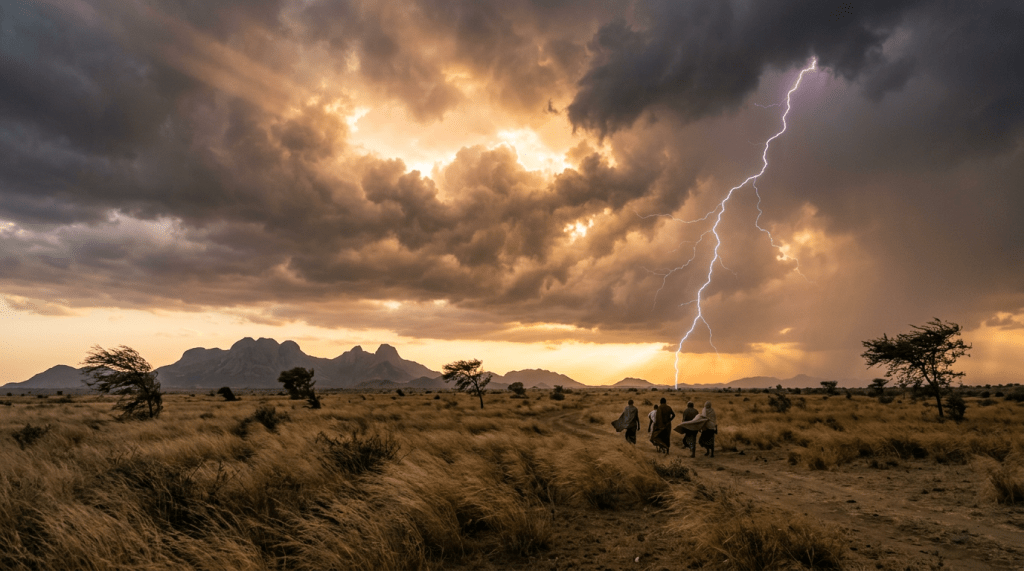
THE MARUTS — THE STORM AND COLLECTIVE ENERGY DEIFIED
The Maruts are a troop, never a single god — sons of Rudra, companions of Indra, they shake mountains and milk rain from the Sky. A close reading of hymns 1.37, 1.64 and 5.54-58.
-
LES MARUTS — LA TEMPÊTE ET L’ÉNERGIE COLLECTIVE DÉIFIÉES
Les Maruts sont une troupe, jamais un seul dieu — fils de Rudra, compagnons d’Indra, ils secouent les montagnes et traient la pluie du Ciel. Décryptage des hymnes 1.37, 1.64 et 5.54-58.
-

SOMA — SACRED DRINK AND STATE OF CONSCIOUSNESS
The ninth mandala of the Rig Veda is unique in all the sacred literature of humanity. One hundred and fourteen hymns. One subject. No Indra, no Agni, no Varuṇa. Nothing but Soma — his purification, his pressing, his effects, his divine nature. This concentration is itself a message. In a text of one thousand and…
-
LE SOMA — BOISSON SACRÉE ET ÉTAT DE CONSCIENCE
Le soma du Rig Veda est une plante enthéogène. Le mandala 9 décrit béatitude, plénitude et immortalité. Décryptage de la boisson qui régulait l’Ego des dirigeants.
-
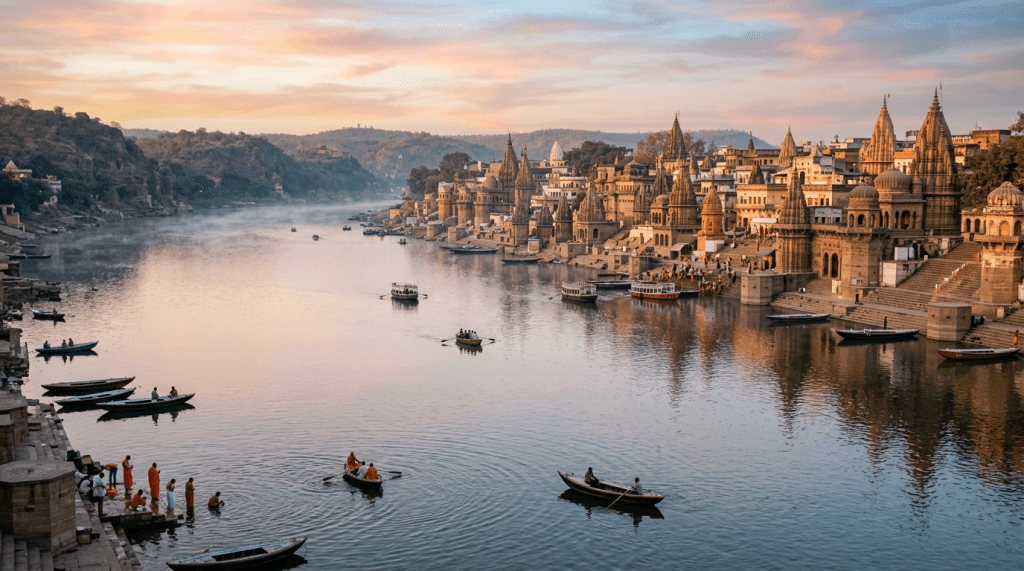
SARASVATĪ — THE RIVER, THE SACRED WORD AND KNOWLEDGE
Sarasvatī is the only deified river of the Rig Veda — « best of mothers, best of rivers, best of goddesses. » A close reading of the lost river and the divine word.
-
SARASVATÎ — LA RIVIÈRE, LA PAROLE JUSTE ET LA CONNAISSANCE
Sarasvatî est la seule rivière déifiée du Rig Veda — « meilleure des mères, meilleure des rivières, meilleure des déesses ». Décryptage de la rivière perdue et de la parole divine.

