Rig Veda
Bienvenue sur le site du Rig Veda, le plus vieux livre au monde
Welcome on the site of the Rig Veda, the oldest book of the world
-
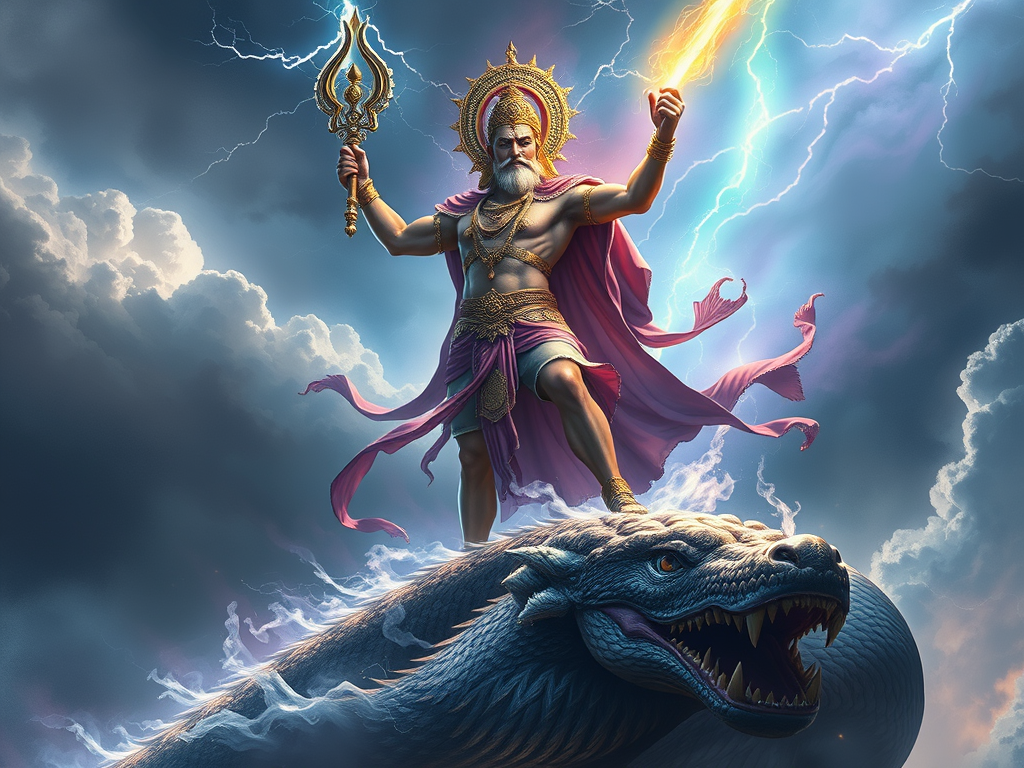
There is in the Rig Veda an image of Indra that stands in contrast to his usual representation as a warrior god armed with the thunderbolt: that of the chief chosen by his community. A passage in the tenth mandala…
-
Indra et la Démocratie Directe
-
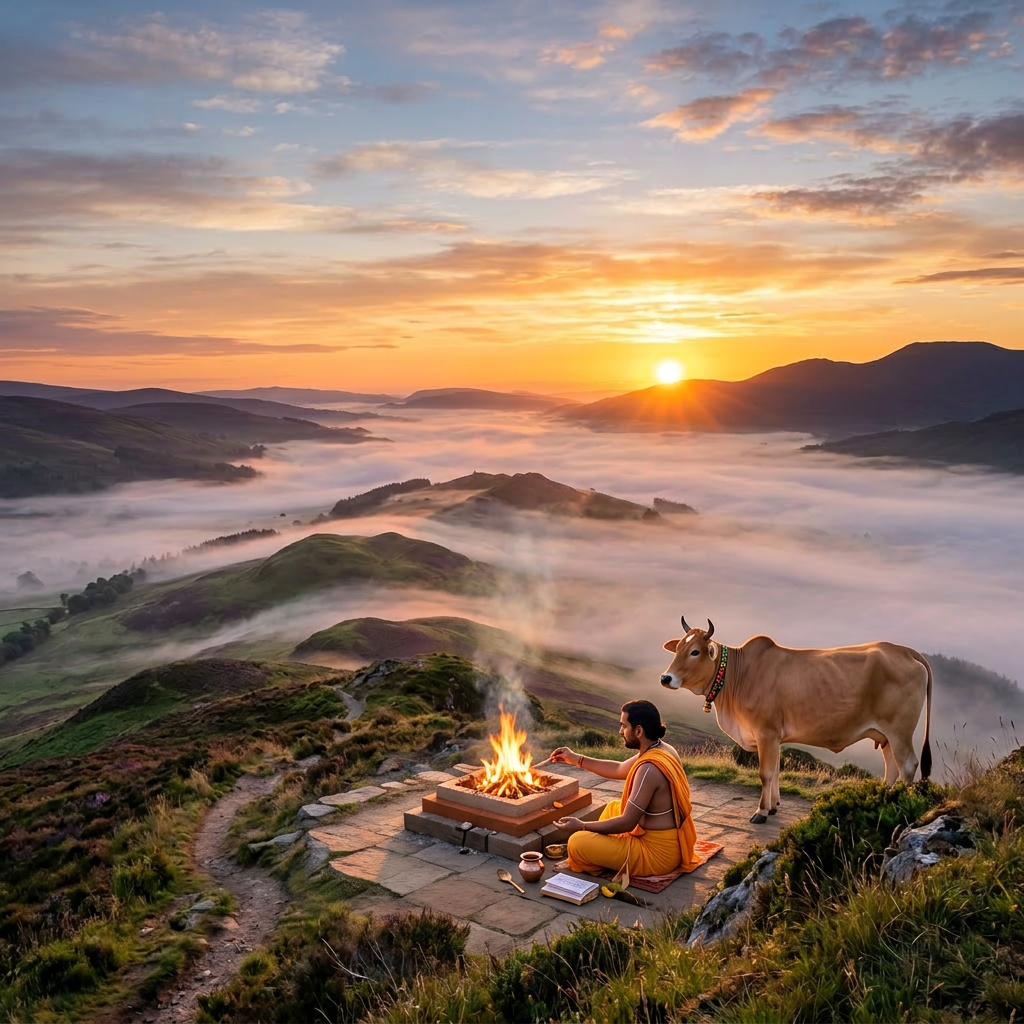
La Dakshina et le Revenu Universel
Nous avons examiné la dakshina dans un article précédent sous l’angle de l’économie du don face à l’économie de l’extraction. Mais la dakshina mérite d’être revisitée sous un angle plus précis et plus contemporain, celui du revenu universel, ce débat…
-
Dakshina and Universal Basic Income
We examined dakshina in a previous article from the angle of the gift economy versus the extraction economy. But dakshina deserves to be revisited from a more precise and more contemporary angle, that of universal basic income, the debate that…
-
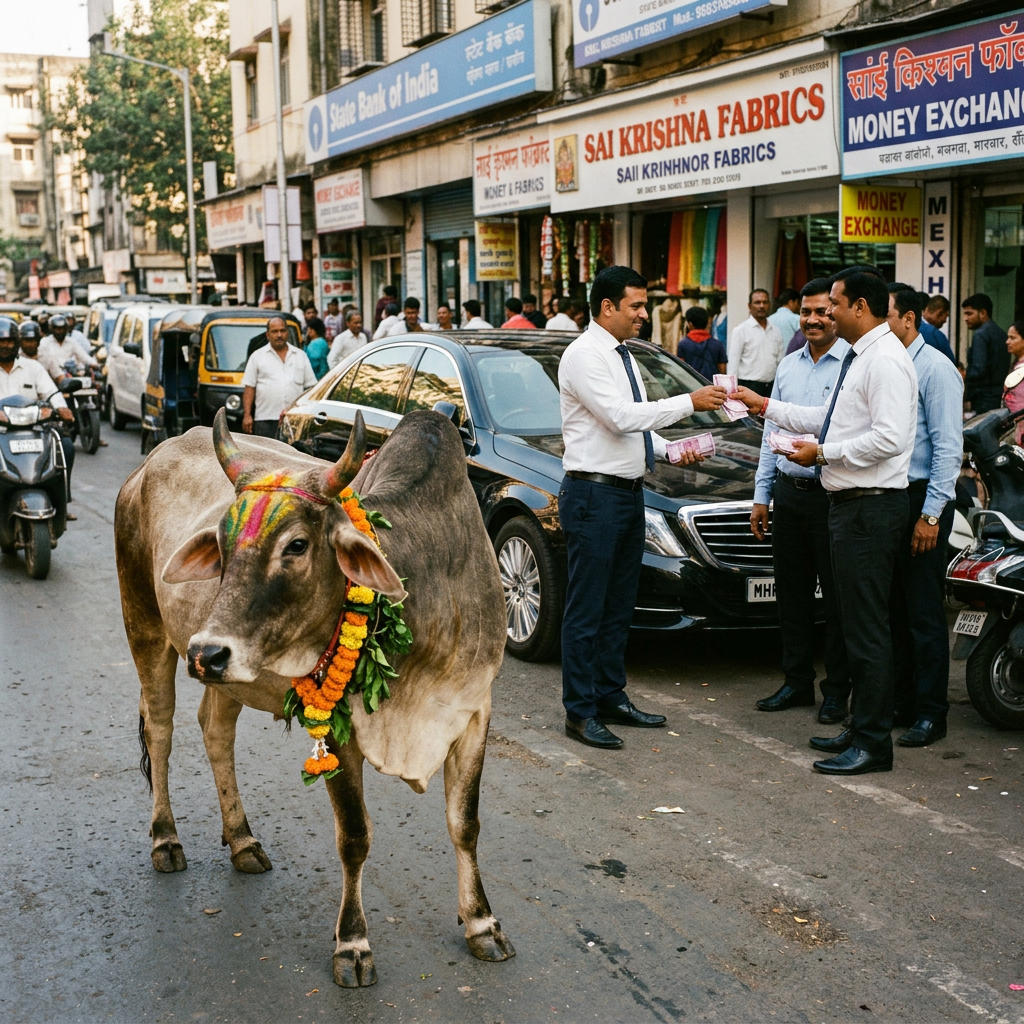
The Sacred Cow and Lab-Grown Meat
A few years ago, the first news of lab-grown meat provoked reactions ranging from technological enthusiasm to visceral repulsion, passing through philosophical perplexity. Muscle stem cells were taken from a cow, made to proliferate in a bioreactor, and meat was…
-
La Vache Sacrée et la Viande Cultivée en Laboratoire
Il y a quelques années, les premières nouvelles de la viande cultivée en laboratoire ont provoqué des réactions qui allaient de l’enthousiasme technologique à la répulsion viscérale, en passant par la perplexité philosophique. On prenait des cellules souches musculaires d’une…
-
L’Illumination à Travers le Soma
Il y a dans le Rig Veda un hymne qui dit en trois lignes ce que des millénaires de philosophie spirituelle ont tenté de dire en des milliers de pages : « Nous avons bu le soma. Nous sommes devenus…
-
Enlightenment Through Soma
There is in the Rig Veda a hymn that says in three lines what millennia of spiritual philosophy have attempted to say in thousands of pages: « We have drunk soma. We have become immortal. We have entered the Light, we…
-
The Yajña and the Ecological Transition
There is an apparent paradox in invoking the Vedic sacrifice to think about the ecological transition. The yajña, with its lit fires, its offerings poured into the flames, its animals sacrificed in certain contexts, seems at first glance to belong…
-
Le Yajña et la Transition Écologique
Il y a un paradoxe apparent dans le fait de convoquer le sacrifice védique pour penser la transition écologique. Le yajña, avec ses feux allumés, ses offrandes versées dans les flammes, ses animaux sacrifiés dans certains contextes, semble à première…

