Étiquette : harappa
-

Indra et Vṛtra : lire le combat sans la grille mythologique
Le combat d’Indra contre Vṛtra dans le Rig Veda n’est pas un mythe guerrier. C’est une métaphore de la lutte intérieure entre l’intellect et l’ignorance. Décryptage.
-

Agni, the First Word of the Rig Veda: Why Everything Begins with Fire
Why does the Rig Veda begin with Agni, fire? This first word is not incidental: it reveals the entire symbolic architecture of the Vedic text.
-
Agni, le premier mot du Rig Veda : pourquoi tout commence par le feu
Pourquoi le Rig Veda commence-t-il par Agni, le feu ? Ce premier mot n’est pas anodin : il révèle toute l’architecture symbolique du texte védique.
-
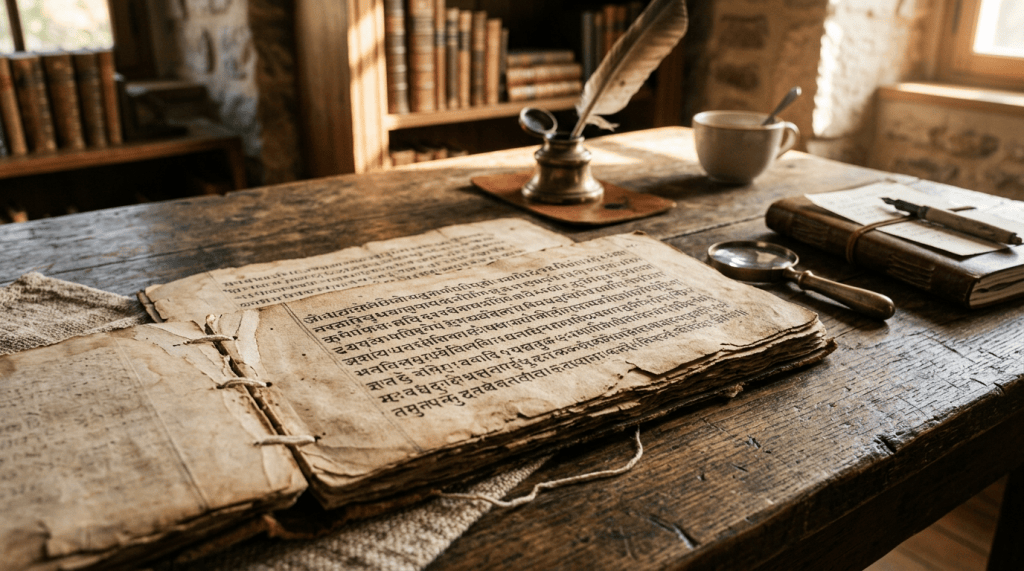
Why Retranslate the Rig Veda Word for Word: What the Text Reveals When We Stop Interpreting It
Why I chose to retranslate the Rig Veda word for word, what the original text reveals when we stop interpreting it, and what classical translations erase.
-
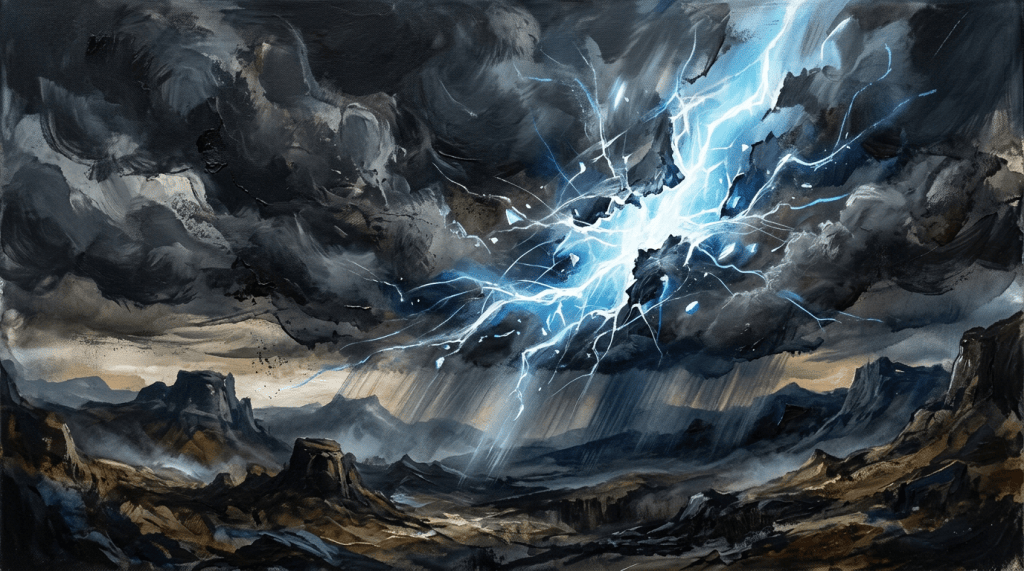
Indra et la résistance non-violente
Indra n’est pas un dieu de guerre au sens littéral. Sa foudre est l’intelligence qui dissipe l’obscurité. Une figure de résistance intérieure que j’explore ici.
-

The Soma Plant — the Botanical Mystery
Soma remains a botanical enigma. In my view, it is psilocybe cubensis. A mushroom whose effects science is rediscovering through psychedelic-assisted therapy.
-
La plante du Soma — le mystère botanique
Le soma du Rig Veda reste une énigme botanique. Selon moi, il s’agit du psilocybe cubensis. Un champignon aux effets que la science redécouvre aujourd’hui.
-
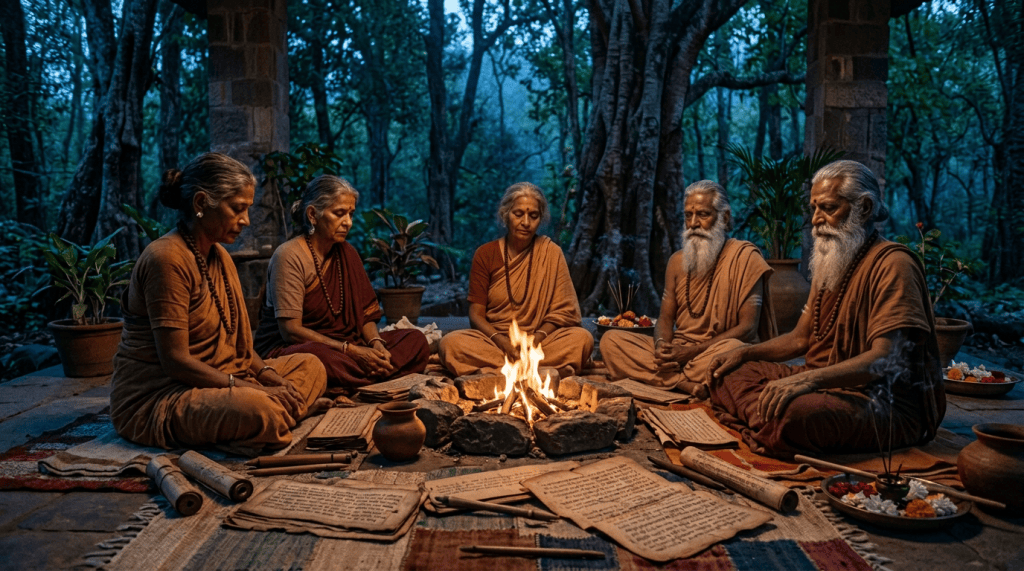
Female Rishis and Spiritual Feminism
Women composed hymns of the Rig Veda. Lopāmudrā, Viśvāvārā: these female seers carry a vision of the sacred feminine I explore here.
-
Les rishis féminines et le féminisme spirituel
Des femmes ont composé des hymnes du Rig Veda. Lopâmudrâ, Vishvavârâ : ces rishis féminines portent une vision du féminin sacré que j’explore ici.
-
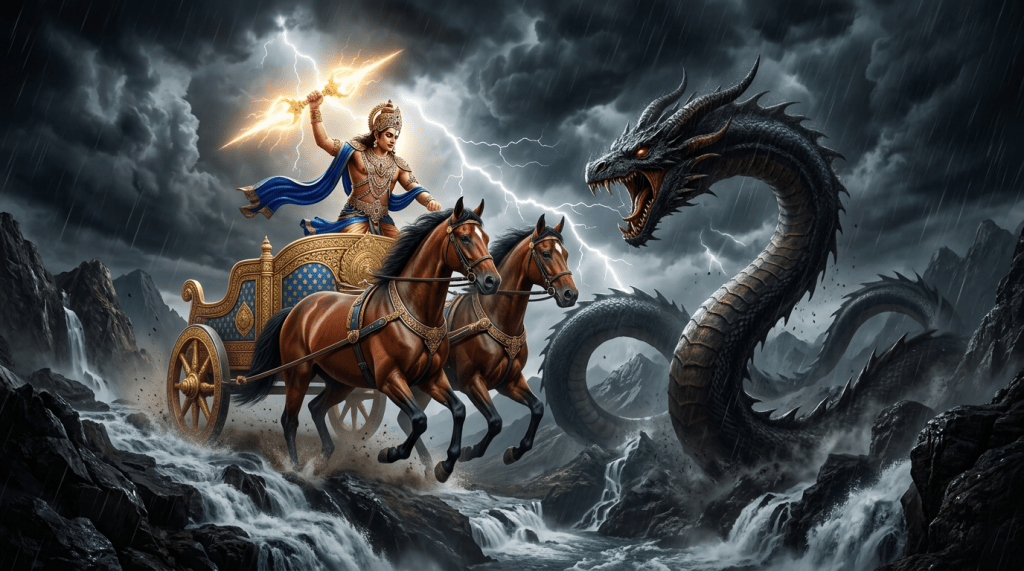
Vritra and the Oil Lobbies
Vritra, the serpent that holds back the waters in the Rig Veda, is the eternal symbol of powers that block life. A six-thousand-year-old hymn of burning relevance.

