Catégorie : Non classé
-
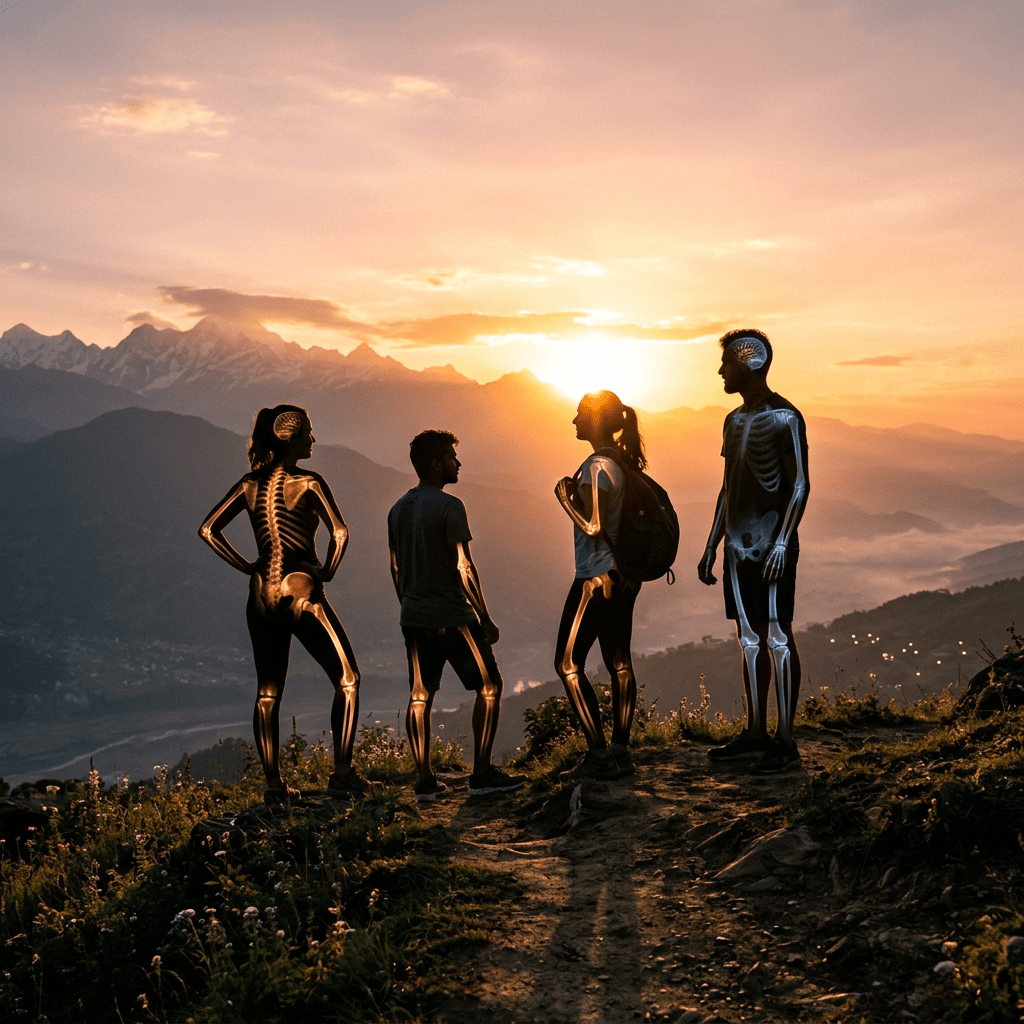
LES CASTES DU RIG VEDA ET LES INÉGALITÉS MODERNES
Il y a peu de sujets plus mal compris — et plus instrumentalisés — que celui des castes dans la tradition védique. D’un côté, une apologétique qui minimise les inégalités réelles qu’elles ont produites. De l’autre, une critique qui projette sur le Rig Veda une rigidité sociale qui n’y est pas encore présente. La vérité…
-
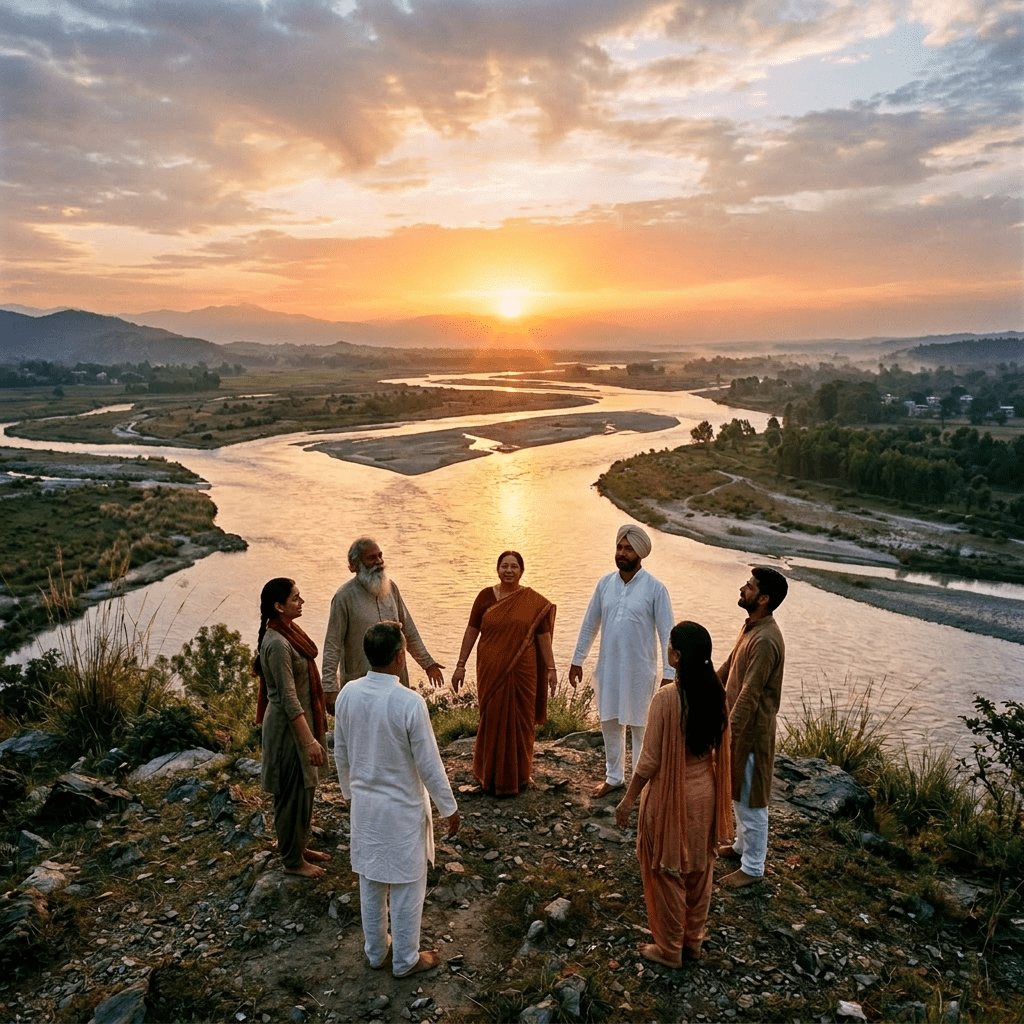
Mitra, le dieu des alliances — une leçon de diplomatie pour le monde moderne
Dans le Rig Veda, Mitra est le gardien des contrats et des alliances entre peuples. Sa sagesse millénaire offre un modèle de diplomatie fondé sur la confiance mutuelle, loin de la force et de la domination.
-
Mitra, God of Alliances — A Vedic Lesson in International Diplomacy
In the Rig Veda, Mitra is the guardian of contracts and alliances between peoples. His ancient wisdom offers a model of diplomacy built on mutual trust, far from force and domination.
-

The Seven-Holed Flute — Music and Consciousness in the Sapta Sindhu
There is in the civilization of the 7 Rivers a dimension that archaeologists have difficulty excavating — not because it has disappeared without leaving traces, but because its traces are of a different nature from those found in brick and metal. It is the sonic dimension — music, song, rhythm — of which the instruments…
-
LA FLÛTE À SEPT TROUS — MUSIQUE ET CONSCIENCE DANS LE SAPTA SINDHU
Il y a dans la civilisation des 7 Rivières une dimension que les archéologues ont du mal à fouiller — non pas parce qu’elle a disparu sans laisser de traces, mais parce que ses traces sont d’une nature différente de celles qu’on trouve dans la brique et le métal. C’est la dimension sonore — la…
-
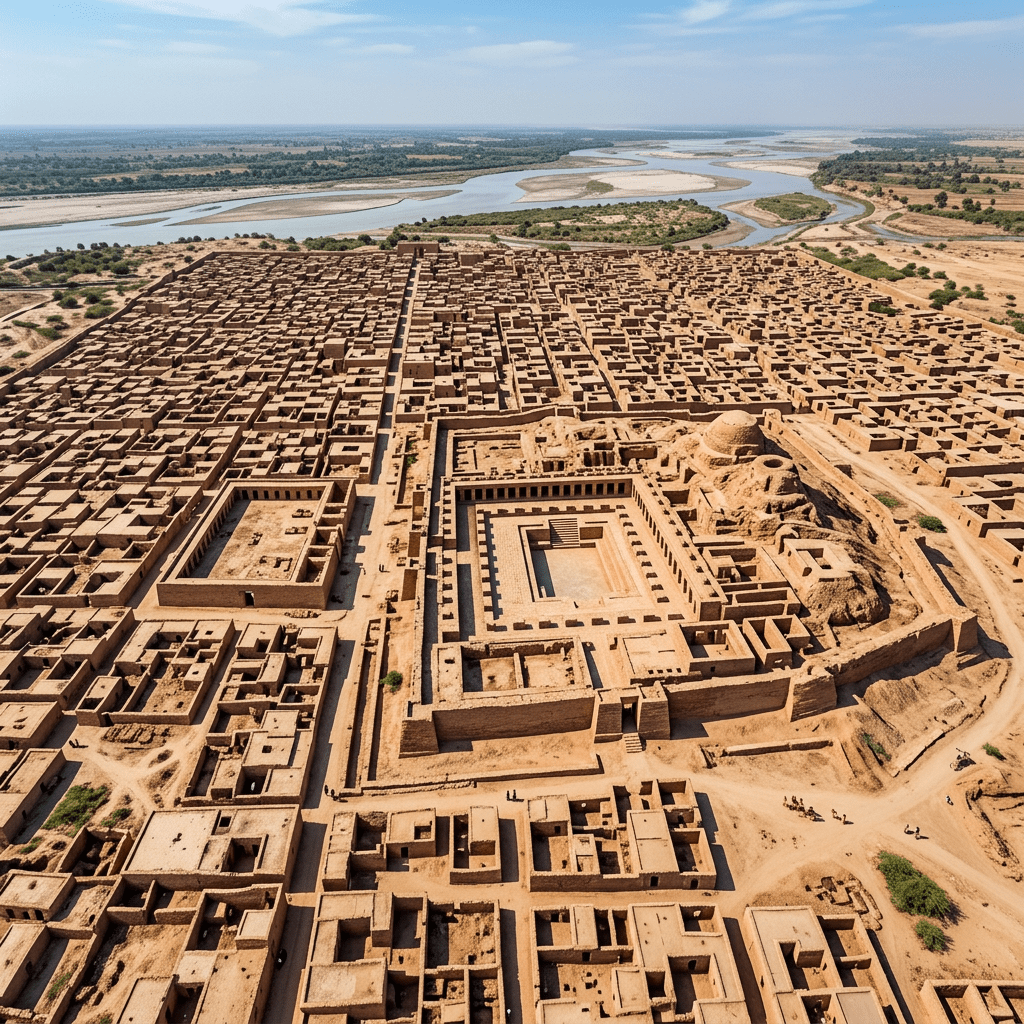
The Great Bath of Mohenjo-Daro — Ritual Purification and Public Hygiene
There is at Mohenjo-Daro a structure that has fascinated archaeologists since its discovery in the 1920s. At the heart of the citadel — on the upper part of the city, where the most important buildings are located — a large rectangular basin, carefully constructed in fired bricks, waterproofed with bitumen, supplied with water and equipped…
-
LE GRAND BAIN DE MOHENJO-DARO — PURIFICATION RITUELLE ET HYGIÈNE PUBLIQUE
Il y a à Mohenjo-Daro une structure qui a fasciné les archéologues depuis sa découverte dans les années 1920. Au cœur de la citadelle — sur la partie haute de la ville, là où se trouvent les bâtiments les plus importants — un grand bassin rectangulaire, soigneusement construit en briques cuites, imperméabilisé avec du bitume,…
-

Rudra and Natural Catastrophes
There is in the Rig Veda a god whose mere mention makes the rishis lower their voices. Not out of ordinary respect — but out of a fear mingled with reverence that says something essential about the nature of what they were attempting to name. This god is Rudra. And his relevance for understanding our…
-
RUDRA ET LES CATASTROPHES NATURELLES
Il y a dans le Rig Veda un dieu dont la seule mention fait baisser la voix aux rishis. Pas par respect ordinaire — par une crainte mêlée de révérence qui dit quelque chose d’essentiel sur la nature de ce qu’ils tentaient de nommer. Ce dieu, c’est Rudra. Et sa pertinence pour comprendre notre rapport…
-
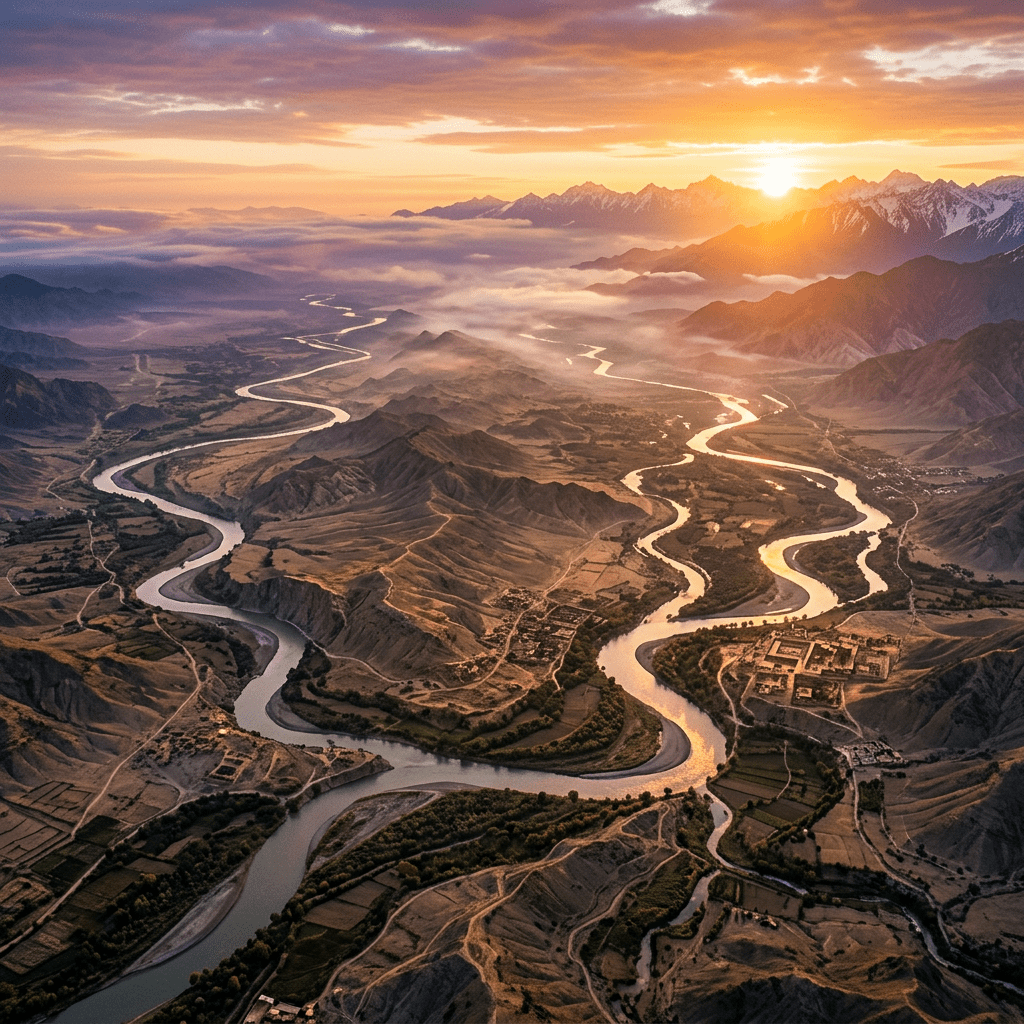
The 7 Rivers and the Indus Civilization Revisited
There is a name that recurs in the hymns of the Rig Veda with an insistence that cannot be accidental. Sapta Sindhu — the Seven Rivers. This name is not merely a geographical description. It is an identity, a cosmology, a way of situating oneself in the world. The rishis who composed these hymns defined…

