Étiquette : Vāc
-

The Relationship Between Gods and Humans in the Rig Veda
In the Rig Veda, I discover a living relationship between gods and humans — built on exchange, sacred speech, and the breath of sacrifice.
-
La relation entre les dieux et les humains dans le Rig Veda
Dans le Rig Veda, je découvre une relation vivante entre dieux et humains — fondée sur l’échange, la parole et le souffle du sacrifice.
-
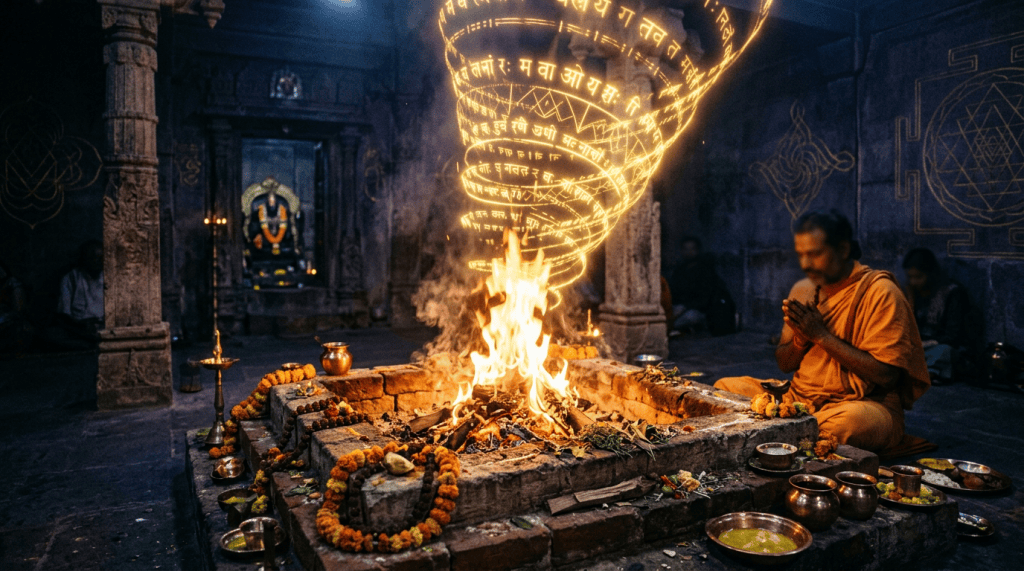
VĀC — SPEECH AS CREATIVE FORCE
Vāc is the only goddess in the Rig Veda who speaks in the first person about her own power. The four forms of speech, from Parā to Vaikharī. A close reading of hymns 10.125 and 1.164
-
VĀC — LA PAROLE COMME FORCE CRÉATRICE
Vāc est la seule déesse du Rig Veda qui parle à la première personne de sa propre puissance. Les quatre formes de la parole, de Parā à Vaikharī. Décryptage des hymnes 10.125 et 1.164.
-
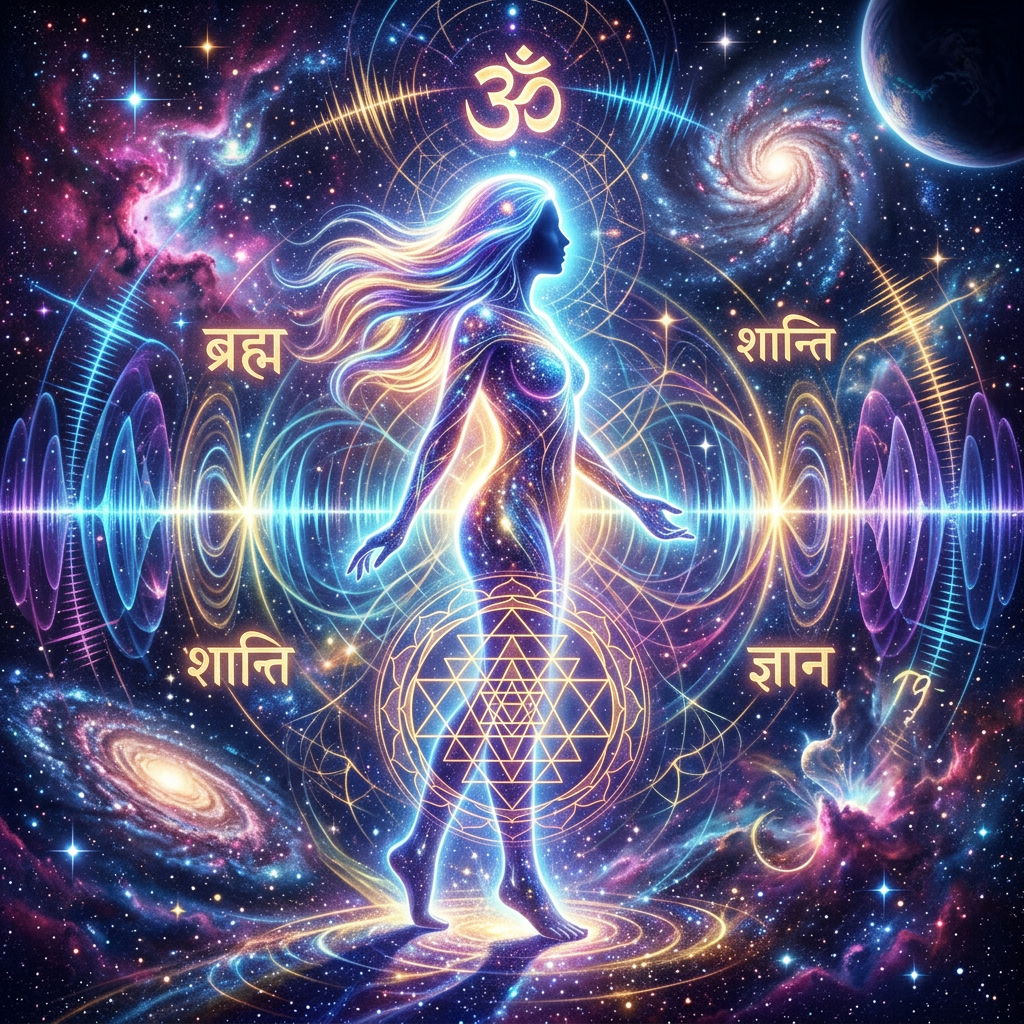
VĀC: THE WORD AS CREATIVE FORCE
In the Rig Veda, the Word pre-exists the gods and sustains them. A close reading of hymn 10.125 and the four levels of speech, in Hervé Le Bévillon’s translation
-
VĀC : LA PAROLE COMME FORCE CRÉATRICE
Dans le Rig Veda, la Parole préexiste aux dieux et les soutient. Décryptage de l’hymne 10.125, des quatre niveaux de la Parole, dans la traduction d’Hervé Le Bévillon
-

MANTRAS: WHY THE SONIC FORM IS SACRED
A Vedic mantra is not a prayer — it is a technique with three dimensions: text, sound, rhythm. A close reading from Hervé Le Bévillon’s translation.
-
LES MANTRAS : POURQUOI LA FORME SONORE EST SACRÉE
Un mantra védique n’est pas une prière. C’est une technique à trois dimensions : texte, son, rythme. Décryptage dans la traduction d’Hervé Le Bévillon.

