Étiquette : Indra
-
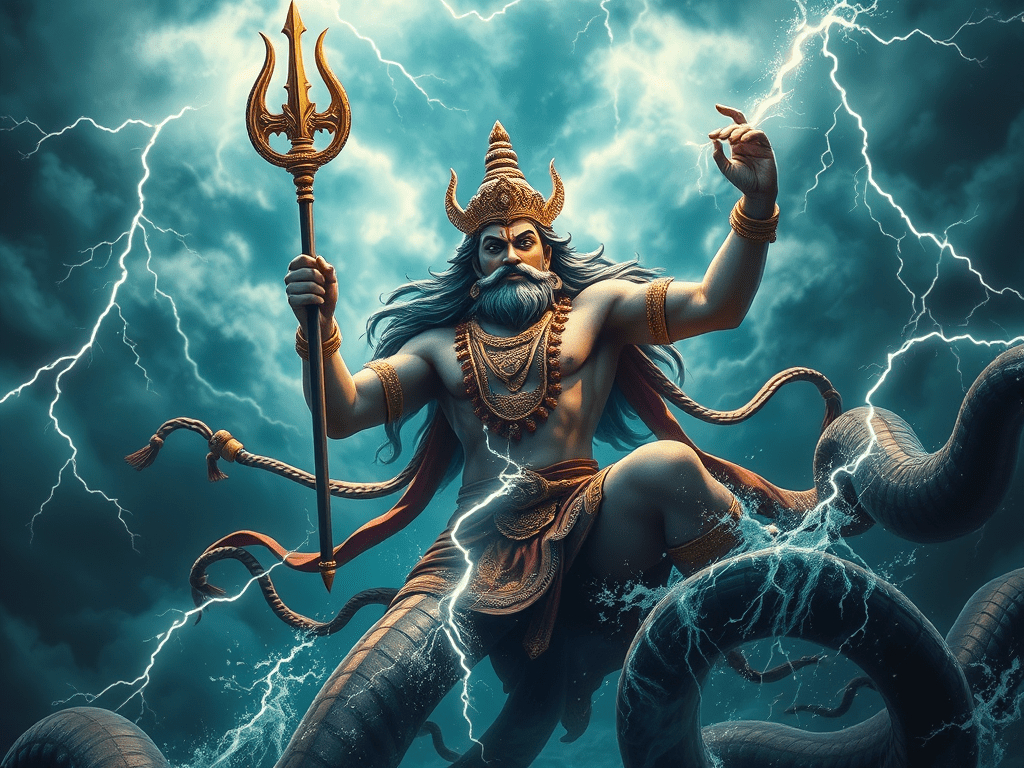
Myths of storm and lightning in Vedic traditions
In the Seven Rivers civilization, storms and lightning were not simply natural phenomena. They carried profound meaning. They were part of a sacred world where every force of nature played a role in the path to enlightenment. The master of storms and lightning was Indra.
-

Upanishads : Comment ces textes ont posé les bases de l’hindouisme intérieur
Vers 2200 avant notre ère, un grand tournant a marqué la civilisation des 7 rivières. Le soma, cette plante sacrée utilisée lors des rites spirituels pour éveiller la conscience, a commencé à disparaître pendant la grande sécheresse. La rivière Sarasvatî, axe central de cette civilisation, s’asséchait peu à peu. Ce changement climatique a rendu le…
-
Upanishads : How these texts laid the foundations of inner Hinduism
Around 2200 BCE, a major turning point marked the Seven Rivers Civilization. Soma, the sacred plant used in spiritual rites to awaken consciousness, began to disappear during the great drought. The Sarasvati River, the central axis of this civilization, was gradually drying up. This climate change made soma increasingly scarce, eventually causing a real shortage.
-

Décryptons quelques métaphores
Les hymnes du rig veda étaient rarement déclamés, ou chantés en entier. Les shlokas (versets) étaient utilisés seuls ou deux par deux tout au long du sacrifice. Dans le cas de l’Agnistoma qui durait 5 jours, ces shlokas isolés étaient répétés pendant de longs moments.
-
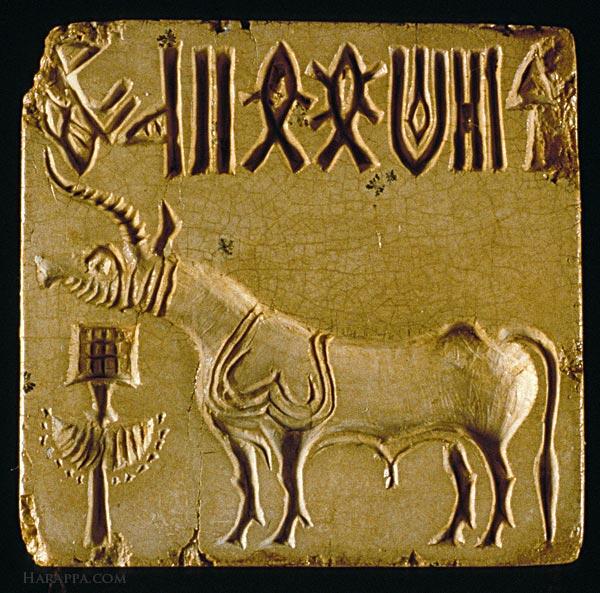
L’énigme des sceaux de Banawali : commerce, religion ou politique ?
Parmi les nombreuses découvertes faites sur les sites de la civilisation de l’Indus, les sceaux retrouvés à Banawali posent encore de grandes questions. À quoi servaient-ils ? Représentent-ils des activités commerciales ? Des symboles religieux ? Ou bien des signes de pouvoir politique ? Essayons d’y voir plus clair.
-
The enigma of the Banawali seals: commerce, religion or politics?
Among the many discoveries made at Indus Valley Civilization sites, the seals found at Banawali still raise some big questions. What were they used for? Did they represent commercial activities? Religious symbols? Or signs of political power? Let’s try to shed more light on this.
-
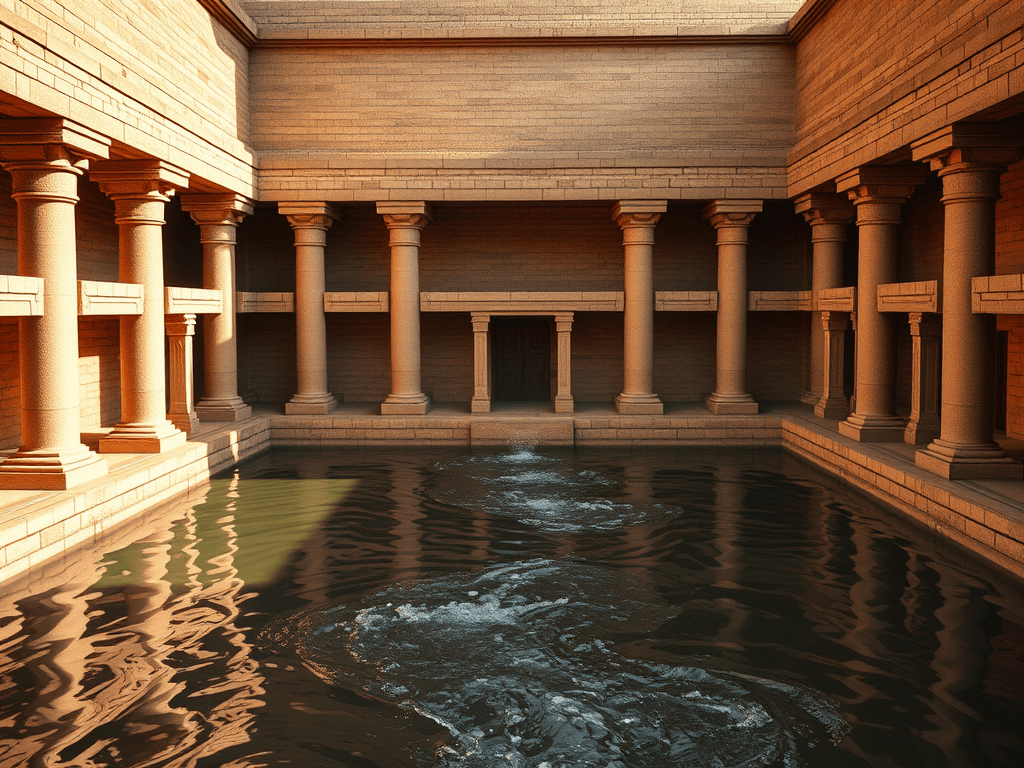
Purification védique : l’eau sacrée et le Grand Bain de Mohenjo-Daro
L’eau a toujours été au cœur de la spiritualité de la civilisation des Sept Fleuves. Les hymnes védiques révèlent de nombreux rituels où l’eau joue un rôle essentiel dans la purification du corps, de l’esprit et même de l’âme. Cette importance se reflète également dans les vestiges archéologiques de cette civilisation, notamment à Mohenjo-Daro, où…
-
Vedic Purification: Sacred Water and the Great Bath of Mohenjo-Daro
Water has always been central to spirituality in the Seven Rivers civilization. Vedic hymns reveal numerous rituals in which water plays an essential role in purifying the body, mind, and even the soul. This importance is also reflected in the archaeological remains of this civilization, particularly at Mohenjo-Daro, where the Great Bath remains one of…
-
Vedic Purification: Sacred Water and the Great Bath of Mohenjo-Daro
Water has always been central to spirituality in the Seven Rivers civilization. Vedic hymns reveal numerous rituals in which water plays an essential role in purifying the body, mind, and even the soul. This importance is also reflected in the archaeological remains of this civilization, particularly at Mohenjo-Daro, where the Great Bath remains one of…
-

Mandala 10, hymne 100
Nous allons en étudier et en décrypter quelques un pris au hasard, ce qui va nous permettre de bien comprendre le but du sacrifice, et éventuellement, nous appendra un peu d’histoire de cette civilisation.

