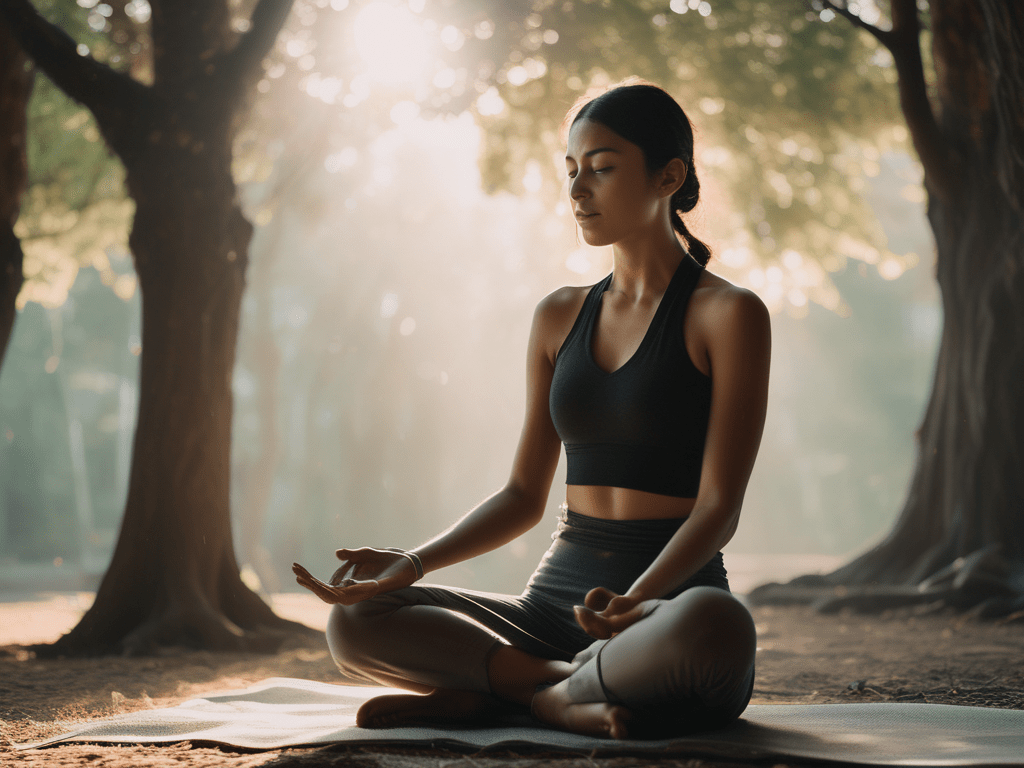
Origins of Vipassana
Vipassana meditation, often considered one of the oldest meditation techniques, has its roots in ancient India. It is attributed to Gautama Buddha, who rediscovered it more than 2500 years ago. “Vipassana” means “seeing things as they really are.” It is a method of self-observation that aims to purify the mind by eliminating mental impurities.
Practices of Vipassana Meditation
The practice of Vipassana generally begins with a ten-day silent retreat. During this time, participants follow strict rules: no eye contact, no verbal or non-verbal communication, no distractions like reading or writing.
The technique is broken down into three phases:
1. Shila (morality): Participants agree to follow simple moral principles, such as not stealing, lying or killing. This prepares the mind for meditation by reducing external distractions.
2. Samadhi (concentration): Participants concentrate on their breathing. This practice is called “Anapana” and helps calm the mind, improve focus and be fully present.
3. Panna (wisdom): This stage involves observing bodily sensations without reacting. This is where the real purification begins. By observing sensations, one begins to understand the impermanence of things (Anicca), non-self (Anatta), and dissatisfaction (Dukkha).
Impacts on Consciousness
Regular practice of Vipassana meditation has profound effects on consciousness. Followers report reduced stress, better emotion management, and increased mental clarity. The technique helps to see reality as it is, without the filters of ego or emotions.
This increased awareness allows you to react with more calm and wisdom to daily life situations. Many find it transforms their perception of the world and themselves, helping them live with more inner peace and compassion.
Vipassana meditation is therefore an ancient and powerful method for understanding and transforming consciousness. Rooted in Indian tradition, it offers concrete tools to explore the human spirit and find inner peace.


Laisser un commentaire