Étiquette : Veda
-
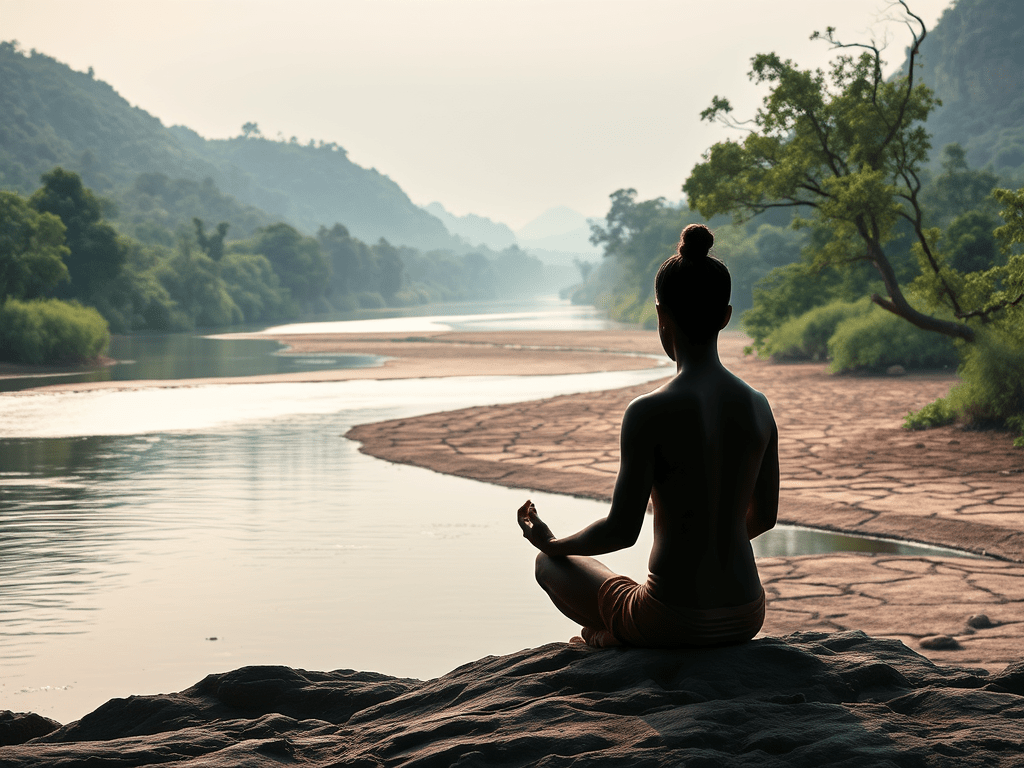
Upanishads : Comment ces textes ont posé les bases de l’hindouisme intérieur
Vers 2200 avant notre ère, un grand tournant a marqué la civilisation des 7 rivières. Le soma, cette plante sacrée utilisée lors des rites spirituels pour éveiller la conscience, a commencé à disparaître pendant la grande sécheresse. La rivière Sarasvatî, axe central de cette civilisation, s’asséchait peu à peu. Ce changement climatique a rendu le…
-
Upanishads : How these texts laid the foundations of inner Hinduism
Around 2200 BCE, a major turning point marked the Seven Rivers Civilization. Soma, the sacred plant used in spiritual rites to awaken consciousness, began to disappear during the great drought. The Sarasvati River, the central axis of this civilization, was gradually drying up. This climate change made soma increasingly scarce, eventually causing a real shortage.
-

Décryptons quelques métaphores
Les hymnes du rig veda étaient rarement déclamés, ou chantés en entier. Les shlokas (versets) étaient utilisés seuls ou deux par deux tout au long du sacrifice. Dans le cas de l’Agnistoma qui durait 5 jours, ces shlokas isolés étaient répétés pendant de longs moments.
-

Les Ashvins : Étoiles jumelles et messagers de l’aurore
Dans le Rig Veda, les Ashvins sont deux dieux jumeaux associés à la lumière, à la guérison, au mouvement rapide, et à l’aube. Leur nom vient du mot sanskrit ashva, qui signifie « cheval ». On les décrit comme parcourant le ciel sur un char tiré par des chevaux, précédant la déesse Ushas, l’aurore.
-
The Ashvins: Twin Stars and Messengers of the Dawn
In the Rig Veda, the Ashvins are twin gods associated with light, healing, swift movement, and dawn. Their name comes from the Sanskrit word ashva , meaning « horse. » They are described as traveling the sky in a horse-drawn chariot, preceding the goddess Ushas, the dawn.
-
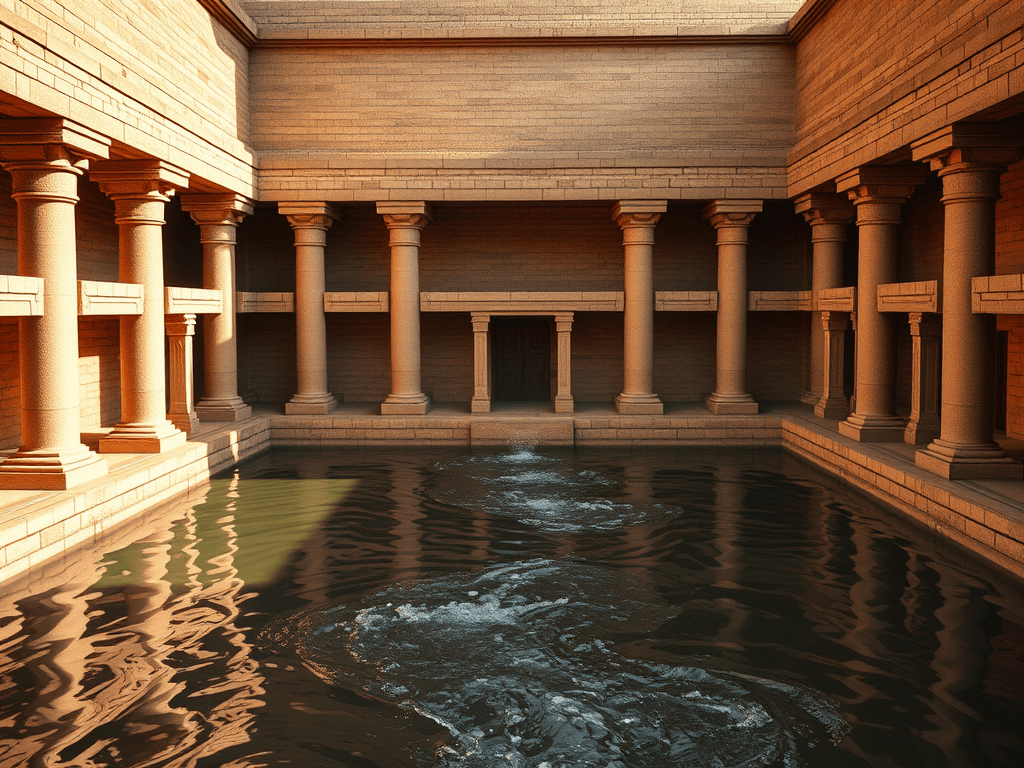
Vedic Purification: Sacred Water and the Great Bath of Mohenjo-Daro
Water has always been central to spirituality in the Seven Rivers civilization. Vedic hymns reveal numerous rituals in which water plays an essential role in purifying the body, mind, and even the soul. This importance is also reflected in the archaeological remains of this civilization, particularly at Mohenjo-Daro, where the Great Bath remains one of…
-
Vedic Purification: Sacred Water and the Great Bath of Mohenjo-Daro
Water has always been central to spirituality in the Seven Rivers civilization. Vedic hymns reveal numerous rituals in which water plays an essential role in purifying the body, mind, and even the soul. This importance is also reflected in the archaeological remains of this civilization, particularly at Mohenjo-Daro, where the Great Bath remains one of…
-

Mandala 10, hymn 100
The hymns of the Rig Veda were rarely recited or sung in full. Shlokas (verses) were used singly or in pairs throughout the sacrifice. In the case of the Agnistoma, which lasted five days, these isolated shlokas were repeated for long periods. We will study and decipher some of them taken at random, which will…
-

The relationship between man and nature in Vedic texts
In the ancient texts of the Seven Rivers civilization, called the Vedas, nature occupies a central place. Man does not consider himself separate from it. On the contrary, he lives in direct connection with the natural elements, which he deeply respects. The sky, earth, water, fire, wind, plants, rivers, and animals are all seen as…
-

La purification spirituelle par le Soma : destruction de l’ego dans le Rig Veda
Dans la civilisation des Sept Rivières, bien avant les grandes religions organisées, les anciens entretenaient une relation directe avec les forces de la nature et avec la conscience. Le Rig Veda, le plus ancien texte sacré connu, évoque une plante mystérieuse et sacrée : le Soma. Cette plante, sans feuilles, fleurs et fruits, était broyée, pressée,…
 Le Rig Veda