Étiquette : rig veda
-

Upanishads : How these texts laid the foundations of inner Hinduism
Around 2200 BCE, a major turning point marked the Seven Rivers Civilization. Soma, the sacred plant used in spiritual rites to awaken consciousness, began to disappear during the great drought. The Sarasvati River, the central axis of this civilization, was gradually drying up. This climate change made soma increasingly scarce, eventually causing a real shortage.
-

Décryptons quelques métaphores
Les hymnes du rig veda étaient rarement déclamés, ou chantés en entier. Les shlokas (versets) étaient utilisés seuls ou deux par deux tout au long du sacrifice. Dans le cas de l’Agnistoma qui durait 5 jours, ces shlokas isolés étaient répétés pendant de longs moments.
-
Let’s decipher some metaphors
The hymns of the Rig Veda were rarely recited or sung in full. Shlokas (verses) were used singly or in pairs throughout the sacrifice. In the case of the five-day Agnistoma, these isolated shlokas were repeated for long periods.
-
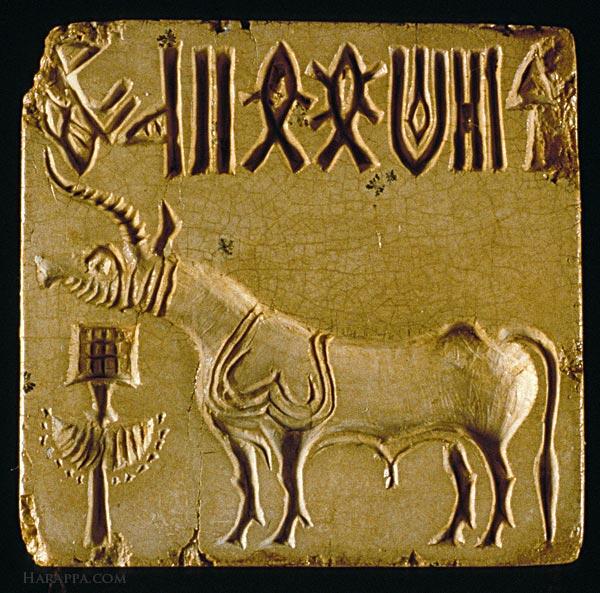
L’énigme des sceaux de Banawali : commerce, religion ou politique ?
Parmi les nombreuses découvertes faites sur les sites de la civilisation de l’Indus, les sceaux retrouvés à Banawali posent encore de grandes questions. À quoi servaient-ils ? Représentent-ils des activités commerciales ? Des symboles religieux ? Ou bien des signes de pouvoir politique ? Essayons d’y voir plus clair.
-
The enigma of the Banawali seals: commerce, religion or politics?
Among the many discoveries made at Indus Valley Civilization sites, the seals found at Banawali still raise some big questions. What were they used for? Did they represent commercial activities? Religious symbols? Or signs of political power? Let’s try to shed more light on this.
-

Les Ashvins : Étoiles jumelles et messagers de l’aurore
Dans le Rig Veda, les Ashvins sont deux dieux jumeaux associés à la lumière, à la guérison, au mouvement rapide, et à l’aube. Leur nom vient du mot sanskrit ashva, qui signifie « cheval ». On les décrit comme parcourant le ciel sur un char tiré par des chevaux, précédant la déesse Ushas, l’aurore.
-
The Ashvins: Twin Stars and Messengers of the Dawn
In the Rig Veda, the Ashvins are twin gods associated with light, healing, swift movement, and dawn. Their name comes from the Sanskrit word ashva , meaning « horse. » They are described as traveling the sky in a horse-drawn chariot, preceding the goddess Ushas, the dawn.
-
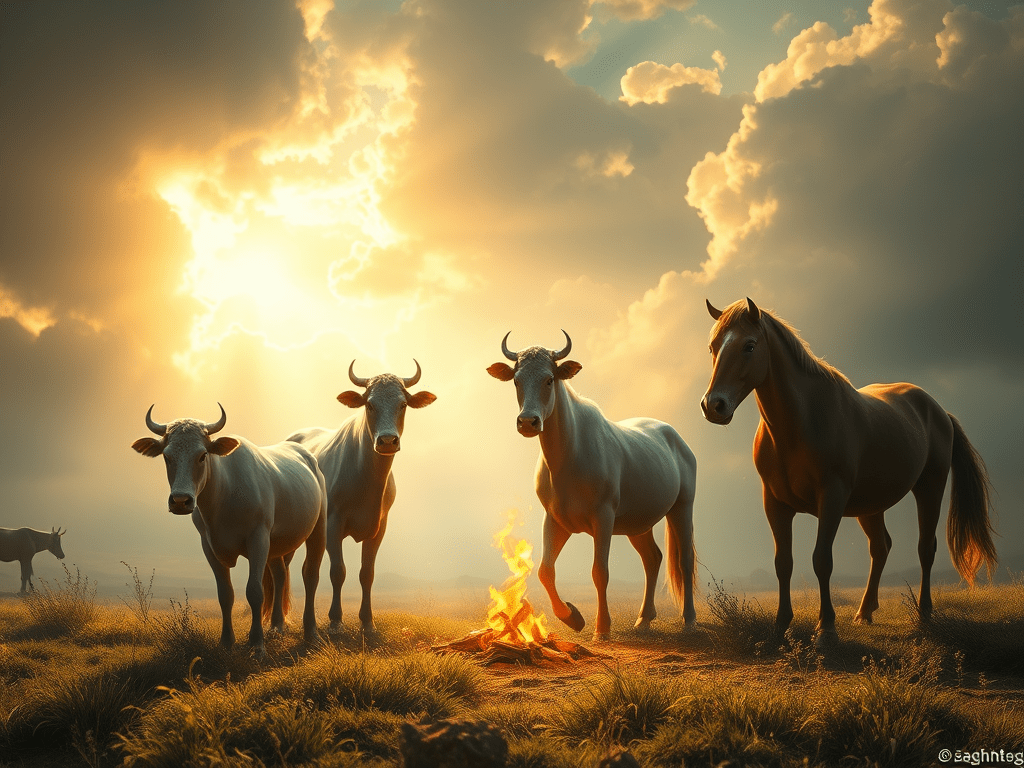
The Rig Veda and Ceremonies for the Prosperity of Herds: Understanding the Hidden Symbols
In the Seven Rivers civilization, herds occupied a central place. The Vedas, and in particular the Rig Veda , often speak of cows, horses and ceremonies to ensure their abundance. But we should not take everything at face value. These ancient texts use images and metaphors to speak of spiritual reality.
-
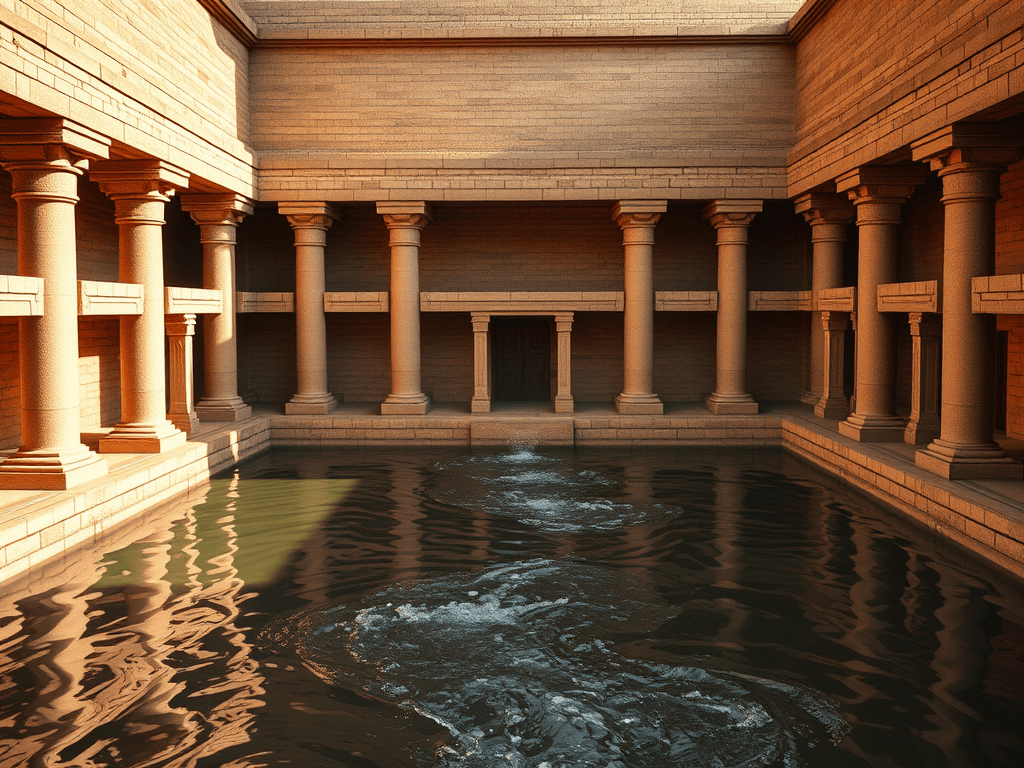
Purification védique : l’eau sacrée et le Grand Bain de Mohenjo-Daro
L’eau a toujours été au cœur de la spiritualité de la civilisation des Sept Fleuves. Les hymnes védiques révèlent de nombreux rituels où l’eau joue un rôle essentiel dans la purification du corps, de l’esprit et même de l’âme. Cette importance se reflète également dans les vestiges archéologiques de cette civilisation, notamment à Mohenjo-Daro, où…
-
Vedic Purification: Sacred Water and the Great Bath of Mohenjo-Daro
Water has always been central to spirituality in the Seven Rivers civilization. Vedic hymns reveal numerous rituals in which water plays an essential role in purifying the body, mind, and even the soul. This importance is also reflected in the archaeological remains of this civilization, particularly at Mohenjo-Daro, where the Great Bath remains one of…
 Le Rig Veda