Étiquette : rig veda
-

The role of seasons in the organization of Vedic rituals
In the Seven Rivers civilization, seasons played a central role in organizing religious rituals. Each time of year brought specific energies, and rituals were designed to harmonize with these natural cycles.
-

La disparition des eaux sacrées et la fin du Soma
La civilisation des 7 rivières, qui s’étendait le long des vallées fertiles de l’Indus et de la Sarasvatî, a connu un bouleversement majeur vers 2200 avant notre ère. Cet événement a marqué un tournant dans son histoire, en raison d’une sécheresse prolongée qui a transformé les paysages et les pratiques spirituelles.
-
The disappearance of sacred waters and the end of Soma
The Seven Rivers Civilization, which stretched along the fertile Indus and Sarasvati valleys, experienced a major upheaval around 2200 BCE. This event marked a turning point in its history, due to a prolonged drought that transformed the landscapes and spiritual practices.
-

Les récits d’ascètes dans le Rig Veda : sagesse et illumination
Le Rig Veda, le texte le plus ancien de l’humanité, est une véritable source d’inspiration pour comprendre les pratiques spirituelles et philosophiques de la civilisation des 7 rivières. Parmi ses nombreux hymnes, plusieurs évoquent la vie des ascètes, des sages ayant choisi de se détacher des plaisirs matériels pour explorer les mystères de l’esprit et…
-
Tales of Ascetics in the Rig Veda: Wisdom and Enlightenment
The Rig Veda, humanity’s oldest text, is a true source of inspiration for understanding the spiritual and philosophical practices of the civilization of the 7 rivers. Among its many hymns, several evoke the life of ascetics, wise men who chose to detach themselves from material pleasures to explore the mysteries of the mind and the…
-
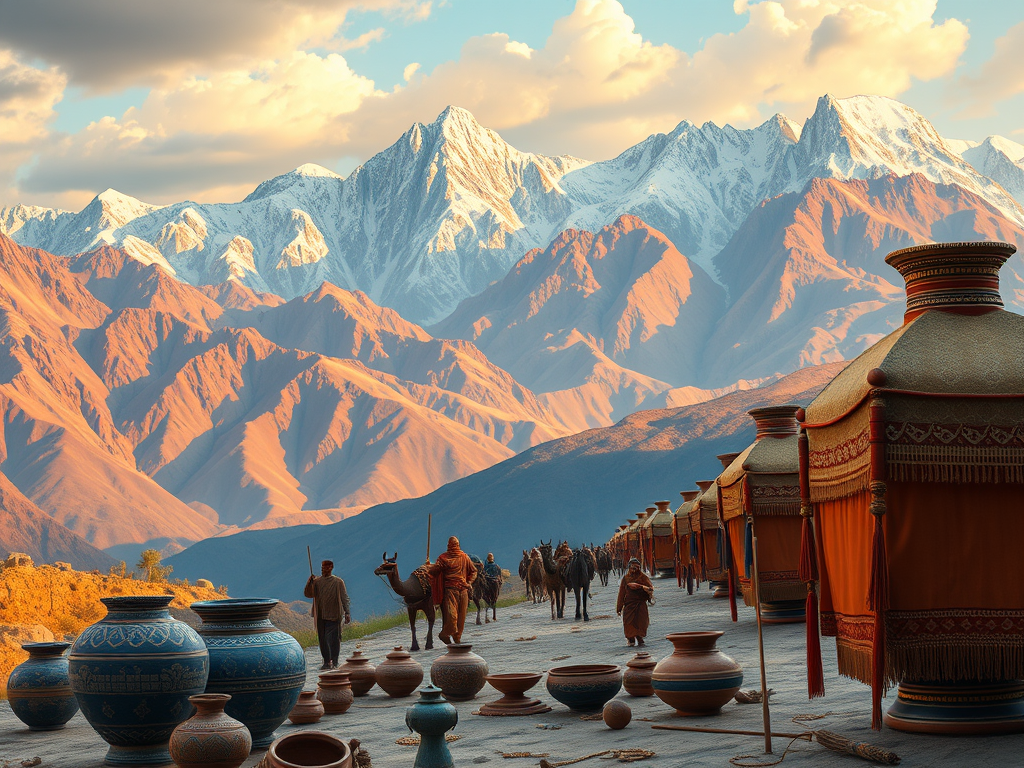
The relationship between the cities of Sarasvatî and the Afghan mountains
The Seven Rivers Civilization, known for its advanced urban planning and cultural exchange, was primarily located around the Sarasvati Valley. However, its connections extended far beyond, reaching into the mountains of Afghanistan. These connections were crucial for trade, natural resources, and cultural exchange.
-

Les Hymnes Védiques sur l’Union du Ciel et de la Terre
Dans les textes védiques, l’union entre le Ciel et la Terre est une image puissante qui revient souvent. Ces deux entités, appelées Dyaus (le Ciel) et Prithivi (la Terre), sont décrites comme des parents divins, unis pour maintenir l’ordre cosmique et nourrir toute forme de vie. Au-delà de leur rôle cosmologique, cette union symbolise un…
-
The Vedic Hymns on the Union of Heaven and Earth
In the Vedic texts, the union between Heaven and Earth is a powerful and recurring image. These two entities, called Dyaus (Heaven) and Prithivi (Earth), are described as divine parents, united to maintain cosmic order and nourish all life. Beyond their cosmological role, this union symbolizes a profound inner journey: Earth represents our ordinary consciousness,…
-
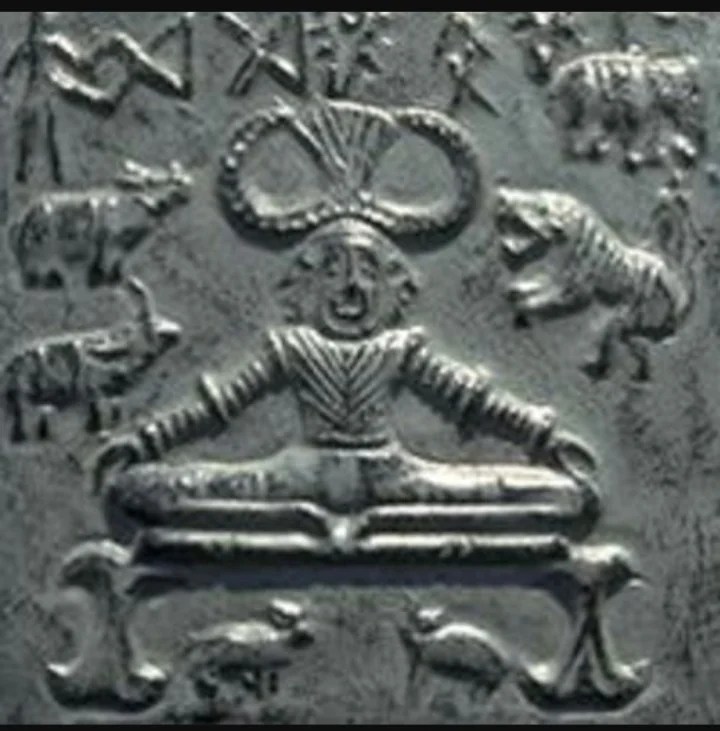
The art of sculpture in the cities of Sarasvati
The civilization of the 7 rivers, known for its advanced urban planning and technical prowess, also left remarkable traces in the artistic field, especially sculpture. The cities located along the Sarasvati, this sacred river which has now disappeared, were full of creations in terracotta, stone and metal. These works reveal not only exceptional craftsmanship, but…
-
L’art de la sculpture dans les villes de la Sarasvatî
La civilisation des 7 rivières, connue pour son urbanisme avancé et ses prouesses techniques, a également laissé des traces remarquables dans le domaine artistique, notamment la sculpture. Les villes situées le long de la Sarasvatî, ce fleuve sacré aujourd’hui disparu, regorgeaient de créations en terre cuite, en pierre et en métal. Ces œuvres révèlent non…

