Étiquette : agni
-
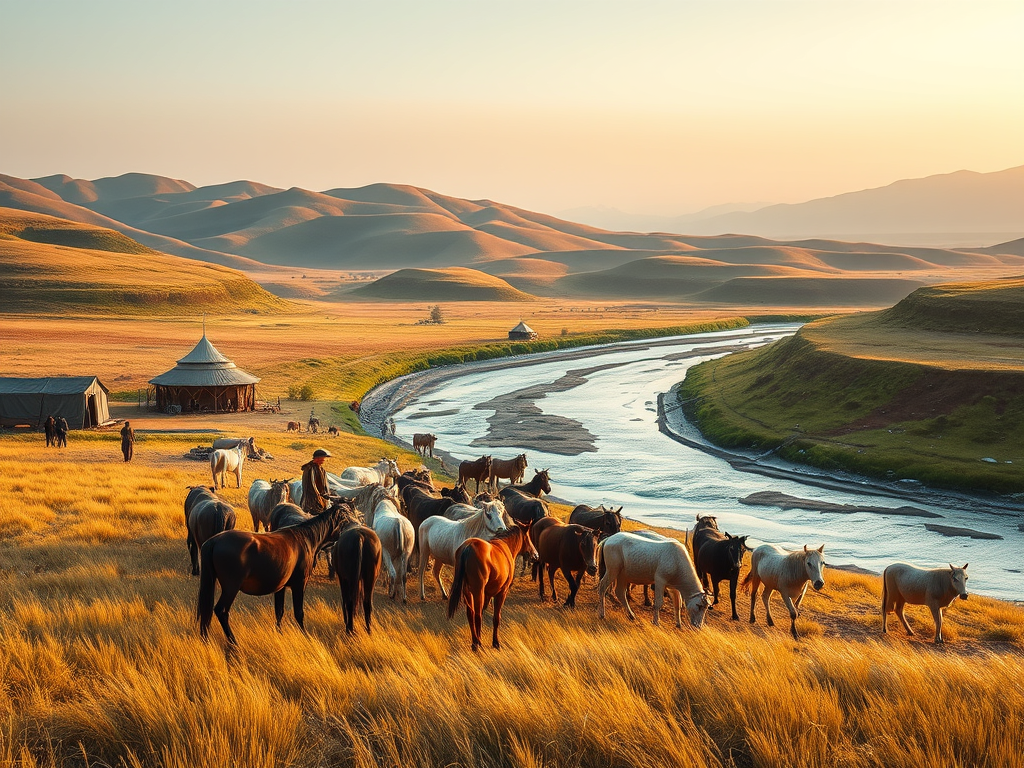
Life before cities in the Rig Veda: pastoralism and mobility
The Rig Veda, the oldest sacred text in India, gives clues to the life of the people of the Seven Rivers civilization before the emergence of large cities. In mandalas 2 to 7, called « family books » because they were transmitted by lineages of priests, there are numerous references to a nomadic lifestyle, based on livestock…
-

The role of Sarasvati in the spirituality of the 7 rivers civilization
The Sarasvati occupies a central place in the spirituality of the Indus Civilization, testifying to its importance both religiously and culturally. Mentioned in the Rig Veda , it is the only river personified as a goddess and plays a major role in the Vedic hymns. Its association with knowledge, purity and prosperity reflects its importance…
-

La transmission orale du Rig Veda : gardiens du savoir spirituel
Le Rig Veda est le plus ancien texte sacré de l’Inde. Composé en sanskrit védique, il a été transmis oralement pendant des millénaires avant d’être mis par écrit. Cette tradition orale existe encore aujourd’hui dans certaines familles en Inde, où des prêtres perpétuent un savoir ancestral avec une précision exceptionnelle.
-
Oral transmission of the Rig Veda: guardians of spiritual knowledge
The Rig Veda is the oldest sacred text in India. Composed in Vedic Sanskrit, it was transmitted orally for millennia before being written down. This oral tradition still exists today in some families in India, where priests perpetuate ancestral knowledge with exceptional precision.
-

Hymns to Water and the Importance of Rivers in the Rig Veda
The Rig Veda gives a central place to rivers and water. In this collection of hymns, rivers are venerated as benevolent goddesses, sources of life and prosperity. The civilization of the 7 rivers, which developed on the banks of the Sarasvati and the Indus, prospered thanks to these waterways which nourished its agriculture, facilitated its…
-

Les énergies féminines dans le Rig Veda : déesses et forces naturelles
Le Rig Veda, évoque une civilisation où les forces naturelles étaient vénérées sous forme de divinités. Parmi elles, les énergies féminines occupent une place essentielle. Elles représentent la lumière, la fertilité, la sagesse et la puissance de la nature.
-
Feminine Energies in the Rig Veda: Goddesses and Natural Forces
The Rig Veda evokes a civilization where natural forces were worshipped in the form of divinities. Among them, feminine energies occupy an essential place. They represent light, fertility, wisdom and the power of nature.
-
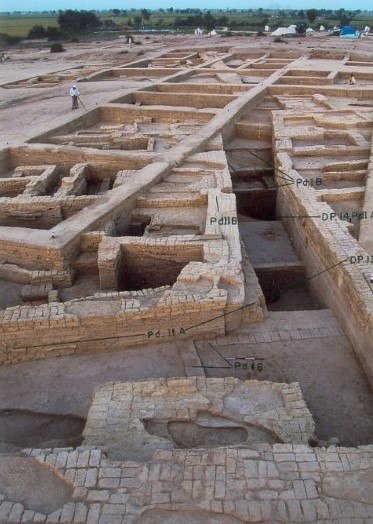
Bhirrana et ses systèmes de stockage des céréales
Bhirrana, l’un des plus anciens sites de la civilisation de l’Indus, situé sur la rivière Ghaggar (ancienne Sarasvatî), a révélé des traces d’une occupation continue remontant à environ 7500 avant notre ère. Ce site offre un aperçu précieux des pratiques agricoles et des techniques de stockage des céréales mises en place par cette civilisation avancée.
-
Bhirrana and its grain storage systems
Bhirrana, one of the oldest sites of the Indus Civilization, located on the Ghaggar (ancient Sarasvati) River, has revealed evidence of continuous occupation dating back to around 7500 BCE . This site offers valuable insight into the agricultural practices and grain storage techniques of this advanced civilization.
-

Les Forces Créatrices dans le Rig Veda : Hymnes à la Terre et au Ciel
Le Rig Veda, le plus ancien texte sacré de l’Inde, célèbre les forces créatrices qui façonnent l’univers. Parmi elles, la Terre (Prithivi) et le Ciel (Dyaus) occupent une place centrale. Ces deux principes sont souvent évoqués ensemble dans les hymnes, montrant leur rôle fondamental dans l’équilibre du monde.

