Étiquette : agni
-
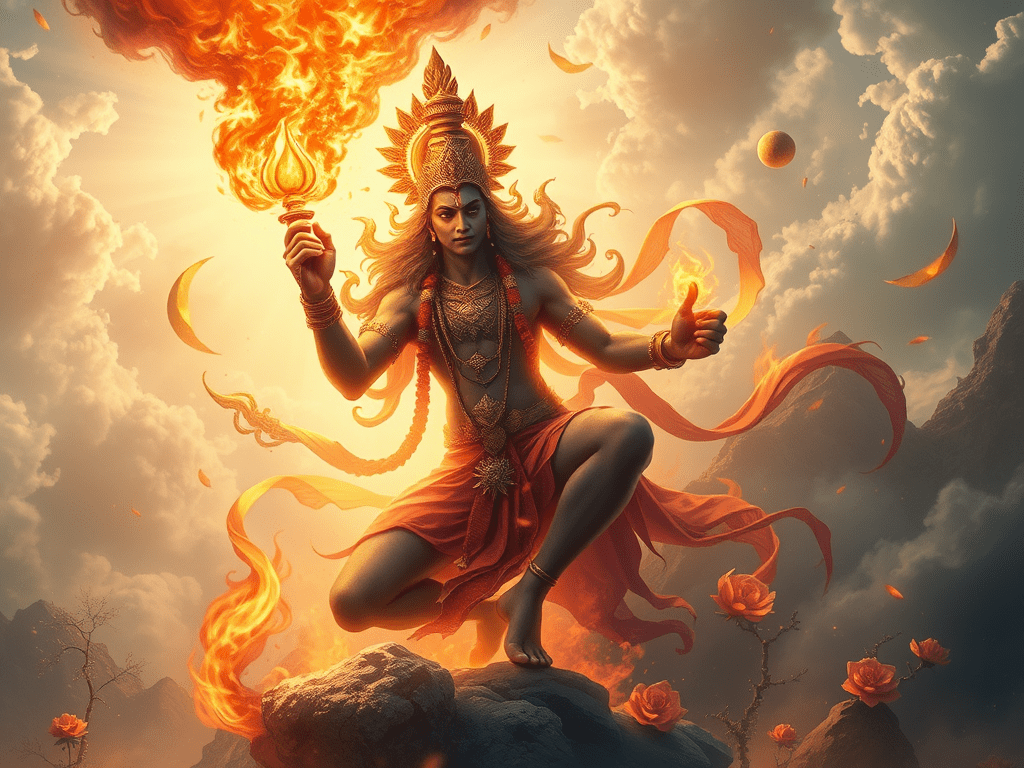
Mandala 1; Hymne 141
1 – Donc, en vérité, cette splendeur de la forme superbe du dieu a été établie : il est né de la Force. Même, quand il dévie, les hymnes atteignent leurs objectifs : ils ont apporté les flots de Lumière de la Vérité. 2 – Merveilleux, riche en Force, il vit en permanence dans le jus de…
-
Mandala 1; Hymn 141
1 – So, in truth, this splendor of the superb form of the god has been established: he was born of Force. Even when it deviates, the hymns achieve their objectives: they have brought the floods of Light of Truth. 2 – Wonderful, rich in Force, he lives permanently in the juice of soma, in…
-

Les légendes autour des premiers sages et poètes védiques
Dans la civilisation des Sept Rivières, les premiers sages et poètes étaient considérés comme des êtres inspirés, proches des dieux. Ces hommes, appelés ṛishi, ont laissé des hymnes dans le Rig Veda, le plus ancien texte sacré de l’humanité. Ces hymnes sont comme des chants de lumière, récités pour éveiller la conscience, invoquer les forces…
-
Legends surrounding the first Vedic sages and poets
In the Seven Rivers civilization, the first sages and poets were considered inspired beings, close to the gods. These men, called ṛishi , left hymns in the Rig Veda, the oldest sacred text of humanity. These hymns are like songs of light, recited to awaken consciousness, invoke the forces of nature, and transmit knowledge from…
-
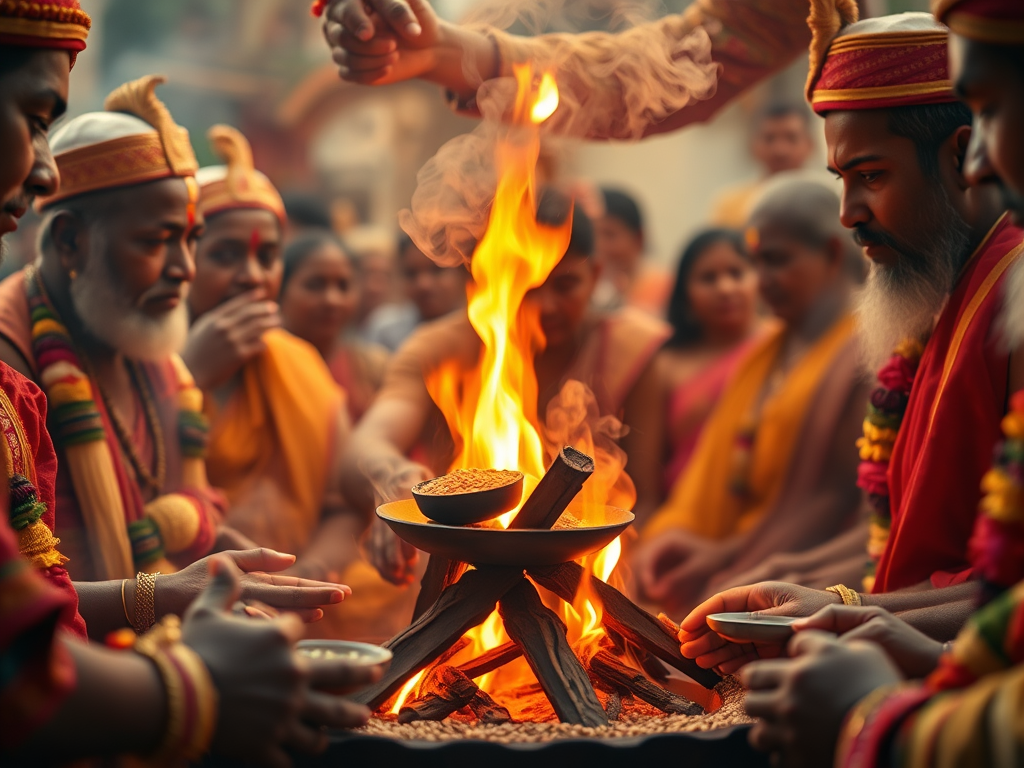
First Hymn of the Rig Veda
The first hymn of the Rig Veda to Agni, who symbolizes Light, both external and internal. If it is the first, it is not by chance.
-
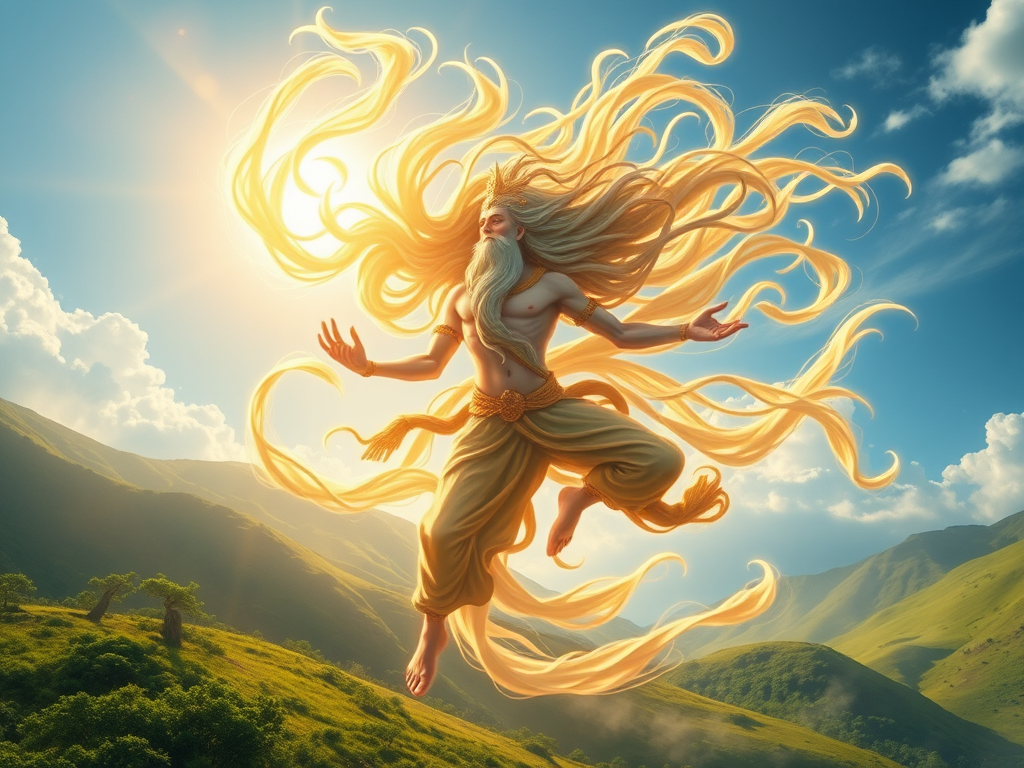
Le Rig Veda et les hymnes de louange au vent et à l’air
Le Rig Veda, le plus ancien texte sacré de l’Inde, accorde une grande importance aux forces de la nature. Parmi elles, le vent tient une place particulière. Il est personnifié sous le nom de Vâyu, une divinité du souffle, du mouvement, de la liberté, mais aussi de l’énergie vitale qui circule en nous.
-
The Rig Veda and the hymns of praise to the wind and air
The Rig Veda, India’s oldest sacred text, places great importance on the forces of nature. Among them, the wind holds a special place. It is personified under the name of Vâyu , a deity of breath, movement, freedom, but also of the vital energy that circulates within us.
-

Titre : Les rituels de fertilité et les hymnes dédiés à la terre dans le Rig Veda
Dans la civilisation des 7 rivières, la terre n’était pas seulement un sol à cultiver. Elle était une force vivante, une mère nourricière, une présence sacrée. Le Rig Veda, le plus ancien texte de cette civilisation, nous montre à quel point cette relation avec la terre était profonde. Les hymnes dédiés à la terre y…
-
Title: Fertility Rituals and Hymns to the Earth in the Rig Veda
In the Seven Rivers civilization, the earth was not just a soil to be cultivated. It was a living force, a nourishing mother, a sacred presence. The Rig Veda , the oldest text of this civilization, shows us how deep this relationship with the earth was. There are many hymns dedicated to the earth, often…
-
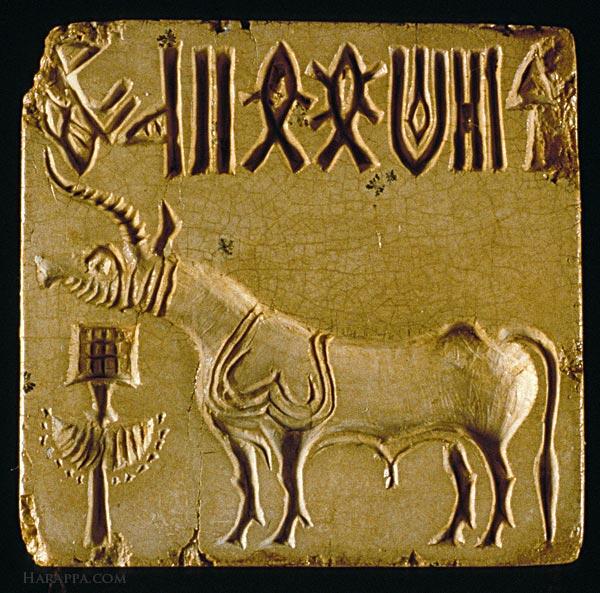
The Role of Art in the Rituals and Ceremonies of the Seven Rivers Civilization
The Seven Rivers Civilization, which developed along the Sarasvati and other major rivers, left behind numerous artistic objects. These creations were not only decorative. They also played an important role in the rituals and ceremonies of this ancient society.

