Catégorie : Non classé
-
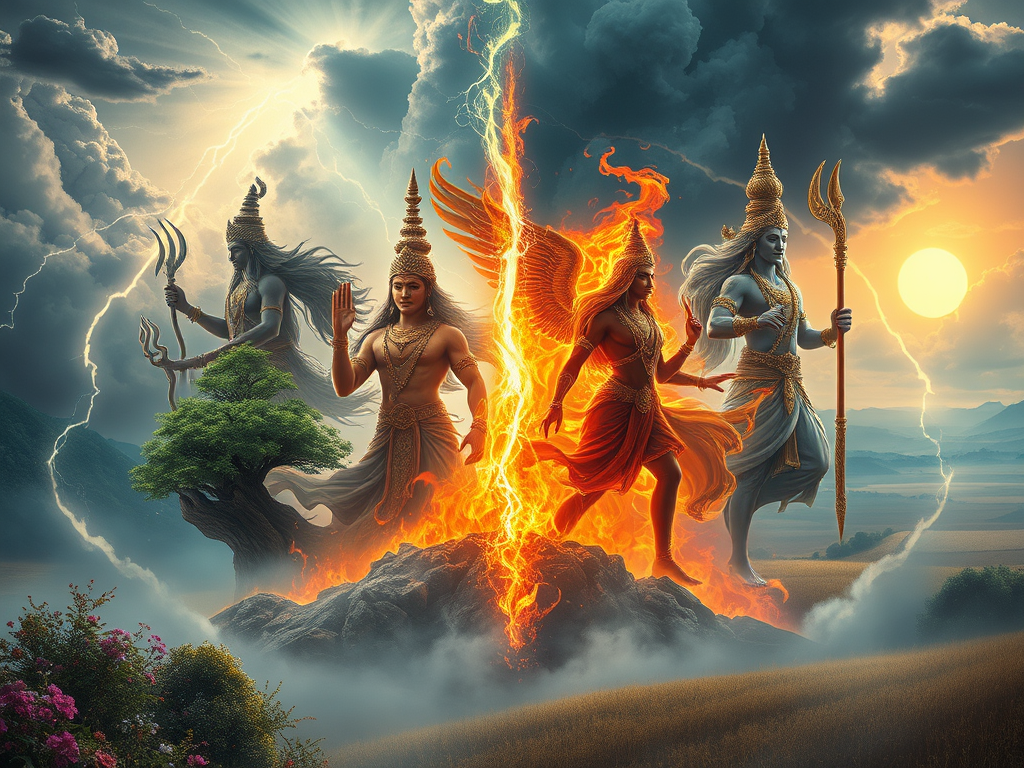
Les dieux védiques et les forces climatiques : impact des saisons sur les rituels
La civilisation des Sept Rivières vivait en harmonie avec son environnement. Les saisons dictaient la vie quotidienne et les rituels, marqués par une étroite relation avec les forces naturelles. Les tempêtes, la pluie, le vent, le feu et la lumière du jour étaient perçus comme des manifestations divines. Ces phénomènes étaient célébrés par des prières…
-
Vedic Gods and Climatic Forces: Impact of Seasons on Rituals
The Seven Rivers civilization lived in harmony with its environment. The seasons dictated daily life and rituals, marked by a close relationship with natural forces. Storms, rain, wind, fire, and daylight were perceived as divine manifestations. These phenomena were celebrated through prayers and offerings to attract their favor or avoid their anger.
-
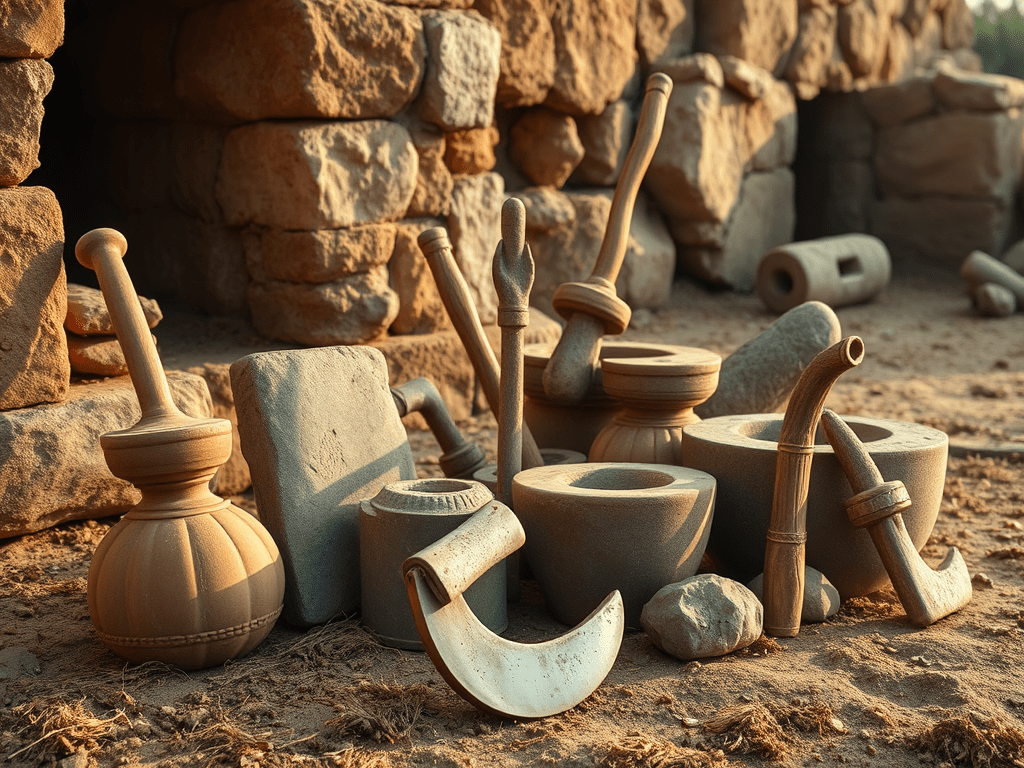
Les outils agricoles retrouvés à Kalibangan et leur évolution
Kalibangan, l’une des principales cités de la civilisation des Sept Rivières, a révélé de nombreux indices sur les pratiques agricoles de cette époque. Des fouilles archéologiques ont mis au jour plusieurs outils, montrant comment les habitants cultivaient la terre et développaient leurs techniques pour améliorer leurs récoltes.
-
Agricultural tools found in Kalibangan and their evolution
Kalibangan, one of the major cities of the Seven Rivers Civilization, has revealed many clues about the agricultural practices of this era. Archaeological excavations have uncovered several tools, showing how the inhabitants cultivated the land and developed their techniques to improve their harvests.
-

Le Rig Veda et les hymnes à la fertilité de la terre
Le Rig Veda est l’un des textes les plus anciens de l’humanité. Composé par la civilisation des Sept Rivières, il contient des hymnes sacrés qui louent les forces de la nature. Parmi ces chants, plusieurs sont dédiés à la fertilité de la terre, un thème essentiel pour une société agricole.
-
The Rig Veda and the hymns to the fertility of the earth
The Rig Veda is one of humanity’s oldest texts. It was composed by the Seven Rivers civilization and contains sacred hymns that praise the forces of nature. Among these chants, several are dedicated to the fertility of the earth, an essential theme for an agricultural society.
-

Soma, psychédélique et libération de l’âme dans les rituels védiques
Le Soma est une plante sacrée mentionnée dans les textes védiques. Beaucoup de chercheurs pensent qu’il s’agissait d’un champignon enthéogène, probablement le Psilocybe cubensis, contenant de la psilocybine. Cette molécule est connue pour ses effets psychotropes qui modifient la perception, stimulent la conscience et provoquent des visions intérieures profondes.
-
Soma, Psychedelics and Soul Liberation in Vedic Rituals
Soma is a sacred plant mentioned in Vedic texts. Many researchers believe it was an entheogenic mushroom, likely Psilocybe cubensis, containing psilocybin. This molecule is known for its psychotropic effects, which alter perception, stimulate awareness, and induce profound inner visions.
-

La symbolique de l’aube et de la lumière dans le Rig Veda
Le Rig Veda, le plus ancien texte sacré de l’Inde et de l’humanité, accorde une grande importance à la lumière et à l’aube. Ces éléments ne sont pas seulement des phénomènes naturels, mais des symboles spirituels profonds. Dans la civilisation des 7 rivières, les hymnes et les sacrifices avaient pour but d’attirer cette lumière divine…
-
The symbolism of dawn and light in the Rig Veda
The Rig Veda, the oldest sacred text of India and humanity, places great importance on light and dawn. These elements are not only natural phenomena, but also profound spiritual symbols. In the civilization of the seven rivers, hymns and sacrifices were intended to attract this divine light and achieve inner enlightenment.

