Auteur : Hervé Le Bevillon
-
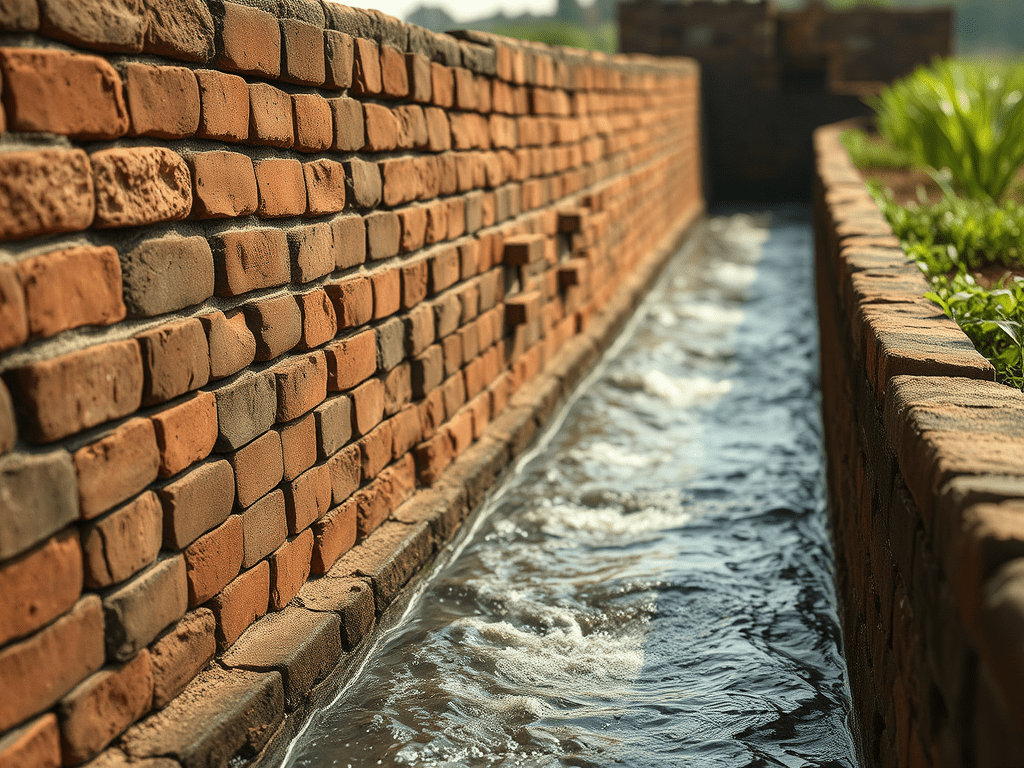
Les Contributions de la Civilisation des 7 Rivières à la Science et la Technologie
La civilisation des 7 rivières, située dans la vallée de l’Indus et le bassin de la Sarasvatî, a marqué l’histoire par ses avancées en science et en technologie. Voici quelques-unes de ses contributions remarquables, qui continuent d’émerveiller les chercheurs et historiens.
-
Contributions of the 7 Rivers Civilization to Science and Technology
The Seven Rivers Civilization, located in the Indus Valley and the Sarasvati Basin, has made history with its advances in science and technology. Here are some of its remarkable contributions, which continue to amaze researchers and historians.
-

Le rôle du prêtre dans les rituels védiques : transmission orale et préservation des savoirs
Dans les textes védiques de l’Inde ancienne, les prêtres jouent un rôle central dans les rituels et la préservation de la tradition. Leur importance repose sur deux missions principales : la conduite des rituels et la transmission fidèle des savoirs sacrés.
-
The role of the priest in Vedic rituals: oral transmission and preservation of knowledge
In the Vedic texts of ancient India, priests play a central role in rituals and the preservation of tradition. Their importance lies in two main missions: the conduct of rituals and the faithful transmission of sacred knowledge.
-

La Compilation Finale du Rig Veda : Un Corpus Sacré de la Fin de la Civilisation
Le Rig Veda, considéré comme le plus ancien texte sacré de l’humanité, est une collection de 1 028 hymnes répartis en dix mandalas (chapitres). Ce corpus fascinant reflète les croyances, pratiques et visions du monde de la civilisation de l’Indus-Sarasvatî, que l’on surnomme parfois la « civilisation des sept rivières ». Cependant, l’histoire de sa compilation révèle…
-
The Final Compilation of the Rig Veda: A Sacred Corpus of the End of Civilization
The Rig Veda, considered the oldest sacred text of humanity, is a collection of 1,028 hymns divided into ten mandalas (chapters). This fascinating corpus reflects the beliefs, practices and worldviews of the Indus-Sarasvati civilization, sometimes called the « civilization of the seven rivers ». However, the history of its compilation reveals a significant evolution linked to the…
-

Banawali et son lien avec l’ancienne route de la soie
Banawali, l’un des sites archéologiques majeurs de la civilisation des sept rivières (civilisation de l’Indus-Sarasvatî), se situe dans l’actuel État de l’Haryana en Inde. Ce site, reconnu pour sa richesse culturelle et son urbanisme, pourrait également avoir joué un rôle important dans les échanges commerciaux de son époque. En particulier, les indices archéologiques suggèrent un…
-
Banawali and its connection to the ancient Silk Road
Banawali, one of the major archaeological sites of the Seven Rivers Civilization (Indus-Sarasvati Civilization), is located in the present-day state of Haryana in India. This site, known for its cultural richness and urban planning, may also have played an important role in the trade of its time. In particular, archaeological evidence suggests a possible link…
-

L’illumination par la destruction de l’ego : un enseignement védique
Dans la sagesse ancienne des Védas, l’illumination est souvent décrite comme l’état ultime de libération et d’unité avec le cosmos. Ce chemin vers la connaissance profonde de soi et du divin repose sur un concept central : la destruction de l’ego. Selon les textes védiques, c’est en transcendant l’attachement à soi et en dissolvant les…
-
Enlightenment through the destruction of the ego: a Vedic teaching
In the ancient wisdom of the Vedas, enlightenment is often described as the ultimate state of liberation and oneness with the cosmos. This path to deep knowledge of self and the divine is based on a central concept: the destruction of the ego. According to the Vedic texts, it is by transcending attachment to self…
 Le Rig Veda