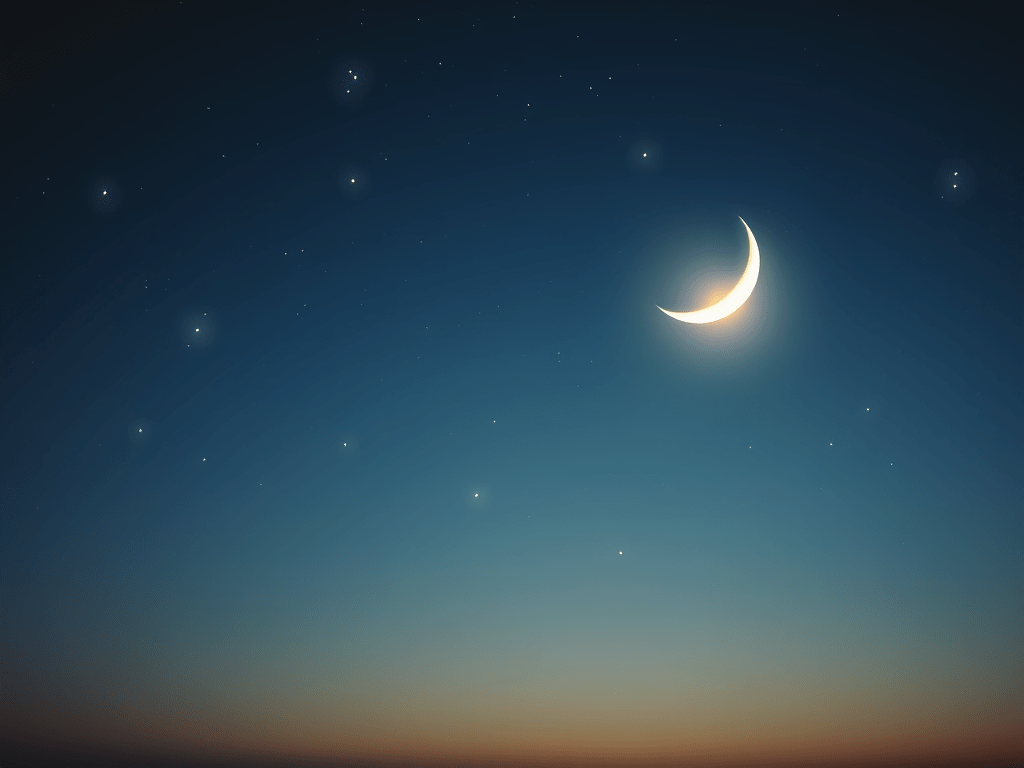
The Rig Veda, the oldest sacred text of humanity, holds a central place in the life and spirituality of the civilization of the 7 rivers. Beyond the hymns dedicated to the gods and natural forces, the Rig Veda also includes elements that seem linked to the Vedic calendar. This calendar is not limited to a simple measurement of time; it reflects a deep respect for natural and cosmic rhythms.
A Calendar Inspired by Nature
In the civilization of the 7 rivers, people carefully observed the cycles of nature to structure their year. The Vedic calendar is based on two major cycles: that of the sun and that of the moon. The movement of the sun marks the seasons, while the phases of the moon define the lunar months. Each lunar month is divided into two fortnights: the waxing phase, during which the moon fills, and the waning phase, during which it diminishes.
The wise men of this time understood the importance of aligning daily life with these natural cycles. They saw the changing seasons as key times to celebrate and practice rituals, believing that these moments strengthened their connection to the cosmos.
The Solstices and the Equinoxes
The solstices (points where the sun reaches its northern and southern extremities) and the equinoxes (where day and night are of equal length) play an important role in the Vedic calendar. They are like landmarks in the year, marking shifts in energy. The Rig Veda makes several references to the importance of light and darkness, which are connected to these key moments of the year.
Solstices are often associated with rituals of renewal and moments of introspection. By celebrating these days, the inhabitants of the 7 Rivers civilization sought to attune themselves to cosmic forces, believing that this brought harmony and balance.
Holidays and Seasons
In the Veda, many festivals and rituals are associated with the seasons. For example, the festival of Vasant Panchami (the beginning of spring) marks the end of winter and the return of warmth. Spring is seen as a time of renewal and prosperity, when crops begin to grow, and is celebrated with songs and offerings.
Other celebrations follow the calendar of lunar months. Each Vedic lunar month begins with the new moon, and the full moon often marks ceremonies and rituals. The phases of the moon helped the people of the Seven Rivers Civilization organize important moments in their lives, such as planting, harvesting, and resting.
Planets and Stars: A Daily Guide
In the Rig Veda, sages also observed the movements of the stars and planets to learn from them. They believed that each star had an influence on daily life. For example, they observed the positions of Mars, Jupiter, and other planets to predict favorable or less favorable periods for certain activities. This approach to astronomy helped to regulate agricultural and religious decisions.
The Connection between Time and the Sacred
For the Seven Rivers civilization, time was not a simple succession of days. It was a sacred cycle, a reflection of the laws of nature and the cosmic order. By following the Vedic calendar, they lived in harmony with the rhythms of nature, integrating spiritual practices into their daily lives. The hymns of the Rig Veda emphasize this connection by praising the cycles of life, death, and rebirth, which are reflected in the seasons and lunar phases.
Conclusion
The Rig Veda, with its Vedic calendar, is much more than a set of ancient texts; it is a source of wisdom that guides the daily life of the Seven Rivers civilization. By synchronizing their lives with the cycles of the sun, moon, and stars, the people of this civilization cultivated a way of life that sought to be in harmony with the universe. These practices demonstrate a deep understanding of natural rhythms and their importance for a balanced existence.
 Le Rig Veda
Laisser un commentaire