The city of Kalibangan, located on the banks of the ancient Sarasvati, is one of the jewels of the civilization of the 7 rivers. This civilization, which flourished about 4500 years ago, developed remarkable techniques in several fields, including metallurgy.
Simple, yet effective metals
The people of Kalibangan mainly used copper and bronze to make their tools and everyday objects. Copper was abundantly available in the region, especially through trade with other cities in the Indus Valley, like Harappa and Mohenjo-Daro, where deposits were exploited.
Tool making
Kalibangan craftsmen produced a variety of tools: axes, knives, arrowheads, and spearheads. These seemingly simple tools were essential for farming, hunting, and construction. Their strength and longevity show the mastery of copper casting and smelting techniques. Bronze, an alloy of copper and tin, was also used, further strengthening the tools.
Archaeological discoveries
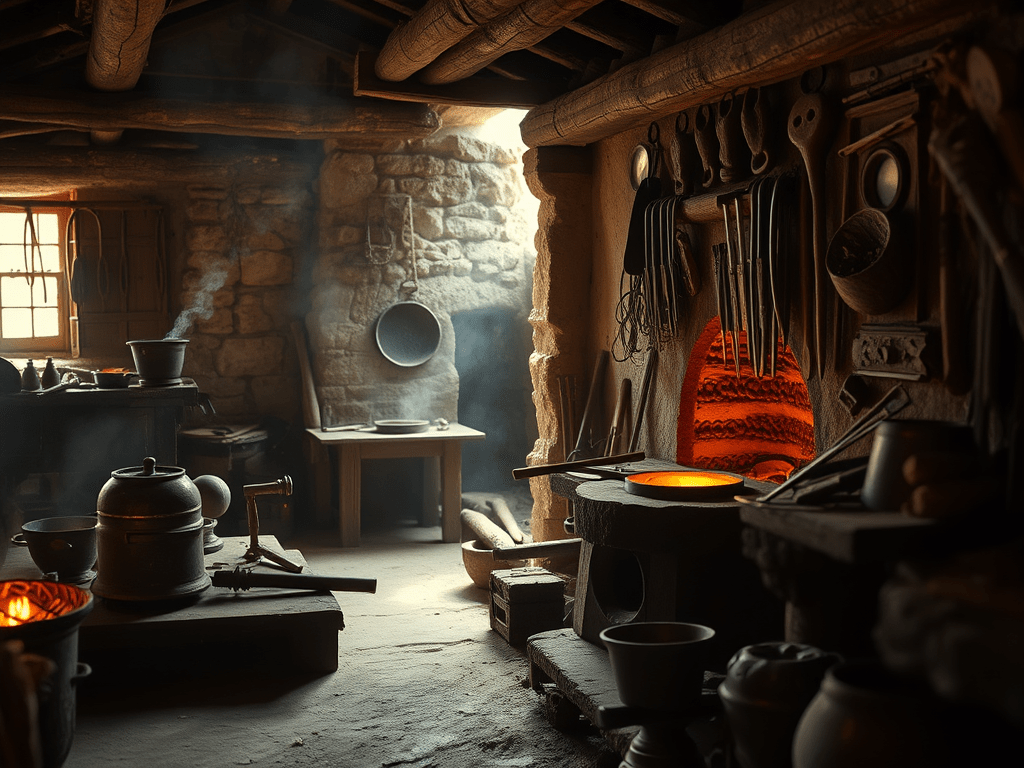
Excavations at Kalibangan have uncovered remains of furnaces and workshops dedicated to metalworking. These workshops show that locals used high-temperature furnaces to melt copper and bronze, then pour them into molds to create objects. This process, although simple, requires great precision to obtain quality objects.
Prestigious objects
Besides tools, metallurgy was also used to make more decorative objects. Copper jewelry has been found, like bracelets, beads, and pendants. These objects show that the people of Kalibangan were not satisfied with the necessary, but also appreciated beauty in the objects they created.
Conclusion
Metallurgy in Kalibangan reflects the ingenuity of the 7 Rivers civilization. With their skill, these artisans could transform natural resources into durable tools and aesthetic objects, thus contributing to the prosperity of their society.
 Le Rig Veda
Laisser un commentaire