The Seven Rivers Civilization, also called the Indus Civilization, is known for its peaceful and harmonious way of life. Additionally, to its advanced architecture and social organization, its people entertained themselves with games and activities that reflected their culture.
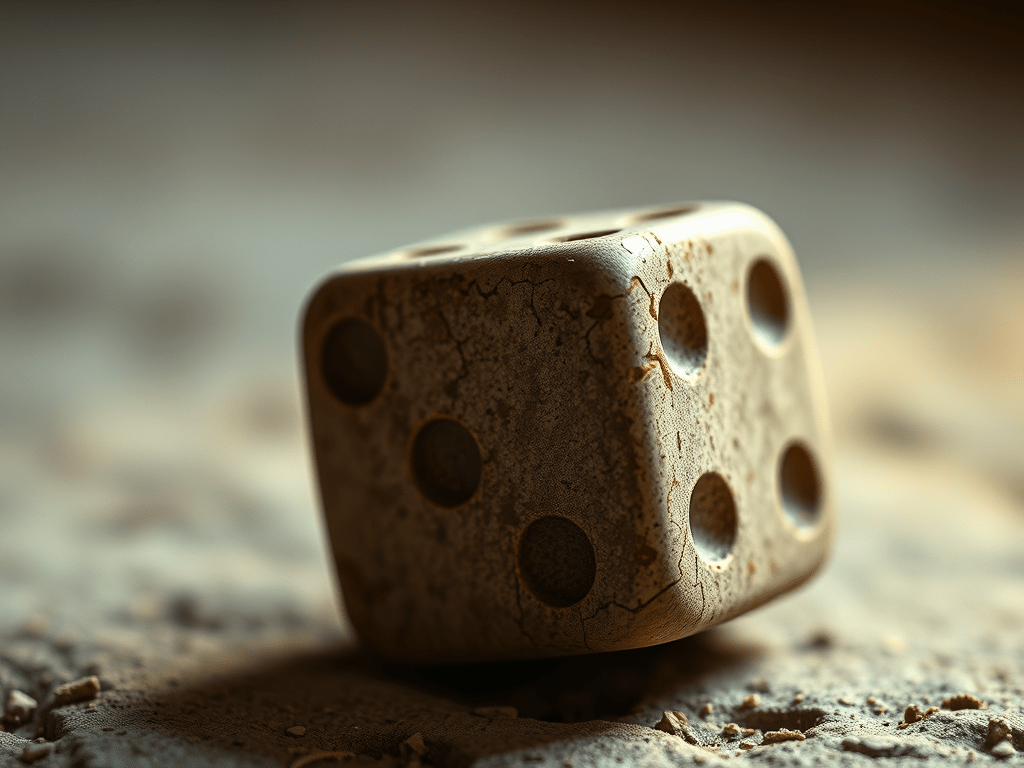
Among the archaeological finds, terracotta pawns and dice have been unearthed, which shows the importance of board games. The dice, often made of bone or stone, recall forms of entertainment based on chance. These games could also have been used for ritual or symbolic practices.
Animal figurines, like bulls and elephants, found in abundance at the sites of Mohenjo-Daro and Harappa, suggest that children played with miniature representations of the world around them. These toys, made of terracotta or metal, show the importance of nature in their leisure time.
Another form of entertainment may have been dancing and music, although direct evidence is scarce. However, the discovery of small statues, like the famous « Dancing Girl of Mohenjo-Daro », proposes that dancing was part of the festivities or ceremonies of this civilization.
Public baths, such as the one at Mohenjo-Daro, also show that the inhabitants appreciated collective activities that merged hygiene and leisure. These baths could be places of social meetings, relaxation and more probably rituals.
Games and entertainment in the Seven Rivers civilization were thus varied, ranging from board games to artistic and social activities, reflecting a society where pleasure and community were at the center of daily life.
 Le Rig Veda
Laisser un commentaire