The 7 Rivers Civilization, often called the Indus Civilization, is one of the oldest in the world, located in the Indus and Sarasvati Valleys, today in Pakistan and India. This thriving culture had a great sensitivity to music, although much remains to be discovered.
The Instruments
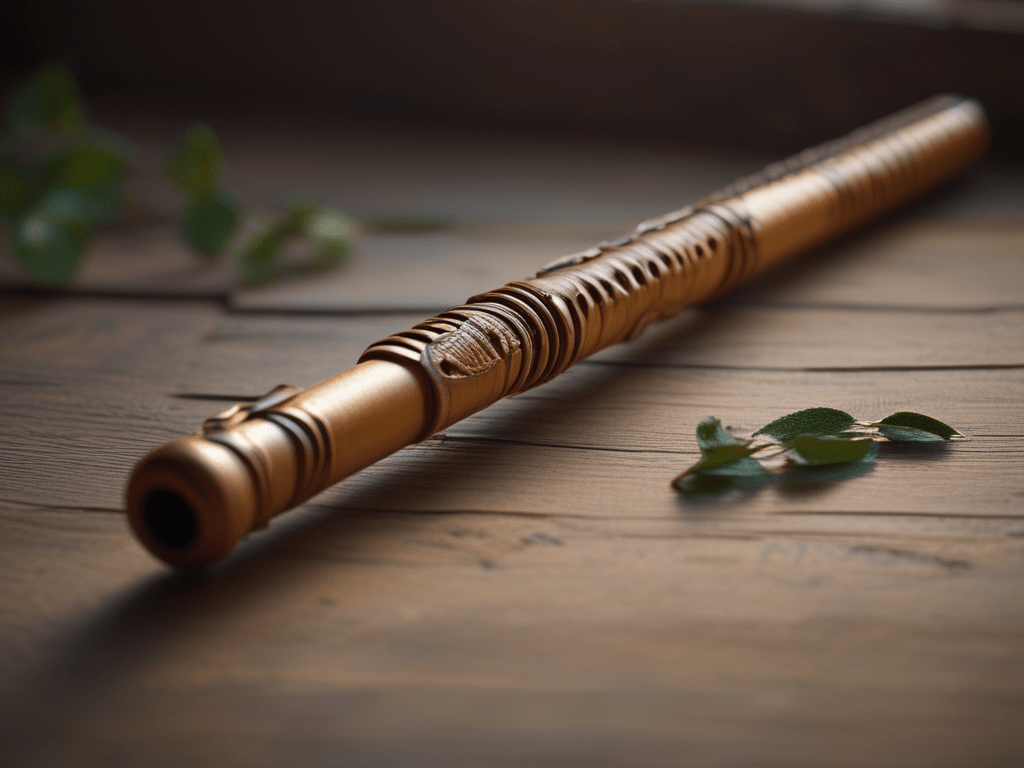
Archaeological excavations have revealed several musical instruments used by this civilization. Bone flutes were found, probably used to play simple melodies. These flutes generally had six to seven holes, allowing the sounds to be varied.
Another common instrument was the drum, made from terracotta. It was undoubtedly used during sacrifices or social gatherings. Metal bells have also been discovered. They were perhaps used in religious rituals or to mark rhythm in music.
Musical Practice
Music was probably an integral part of daily life. The instruments found are often small, suggesting that they were easily transportable and could be played at various events. It is possible that music accompanied dancing or singing, but there is no evidence of these practices.
The Role of Music
Music could play a religious, social, or simply recreational role. Instruments found in domestic and sacred contexts show that music was present both in everyday life and during rituals. However, the music of the 7 Rivers civilization remains largely a mystery, as there are no musical texts or clear depictions of musicians in the art of 7 Rivers.
In summary, music in the 7 Rivers civilization seems to have been an important activity, with simple but varied instruments. It was an integral part of life, although many details still remain unknown.
 Le Rig Veda
Laisser un commentaire