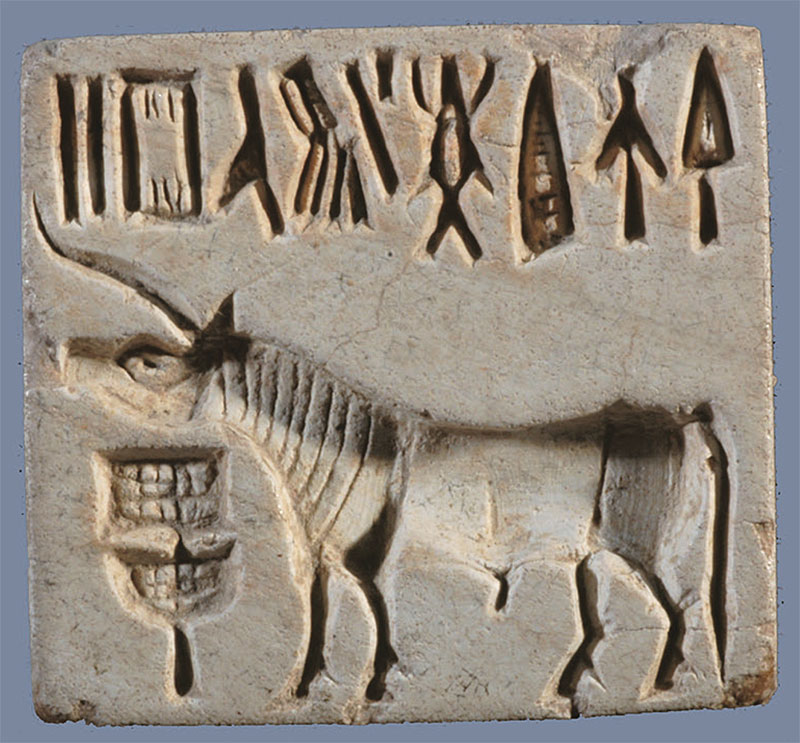
Ancient civilizations fascinate us with their mysteries, and the civilization of the Indus or the 7 Rivers is no exception. One of the most intriguing things from this era are the seals and inscriptions found at archaeological sites.
The Seals of the Indus
Indus seals are small objects, often square, made from soapstone. They are decorated with elaborate engravings depicting animals, human figures and strange symbols. Researchers believe they were used to mark goods, documents or for rituals. The fact that there are many of them indicates that they had importance in daily life.
The Mysterious Inscriptions
The inscriptions on these seals are written in a language that no one has yet been able to decipher. This is a puzzle for linguists. Each inscription is made up of varied symbols, which suggests that it is a very developed writing system. Unfortunately, with no known equivalent, their meaning remains a mystery.
What We Learn
Even if we don’t yet understand everything, the seals and inscriptions tell us a lot about the Indus civilization. They show a high level of organization and an extensive trading system. The animals depicted on the seals, such as elephants and rhinoceroses, also indicate an in-depth knowledge of the local fauna.
The Importance of Discoveries
These objects are crucial for archaeologists and historians. They offer a first-hand insight into the daily lives and beliefs of the people of the Indus. Each new seal discovered is another piece in the puzzle of this civilization.
Looking for Answers
Research continues, and each new discovery brings us a little closer to understanding these inscriptions. Perhaps one day we will find the key to deciphering this ancient language. In the meantime, Indus seals and inscriptions continue to capture our imagination and remind us how much remains to be discovered about our past.
 Le Rig Veda
Laisser un commentaire