Introduction
The Art and Architecture of the Oxus, which refers to the cultures and civilizations that flourished along the Oxus (today the Amu Darya River), constitutes a fascinating area of Central Asian history . This region was the birthplace of many cultures and empires, including the Achaemenid Empire, the Kushan Empire, and the civilizations of ancient Bactria. The artistic and architectural heritage of this region reflects a rich diversity of influences and styles, illustrating the cultural and commercial exchanges that crossed this strategic crossroads between East and West.
The Art of Oxus
Influences and Characteristics
Oxus art is notable for its varied influences, including Persian, Greek, and indigenous elements. This diversity is visible in the sculptures, jewelry, and objects of worship found in the region. The gold and silver objects discovered in the Oxus treasure, dating mainly from the Achaemenid period (6th-3rd century BC), perfectly illustrate this cultural fusion.
The Treasures of Oxus
The Oxus Treasure, discovered in 1877, is one of the most important collections of art from ancient Central Asia. It contains objects made of gold, silver, and bronze, including bracelets, animal figures, and ritual ornaments. These objects show exceptional technical and artistic mastery, with elaborate patterns and advanced manufacturing techniques for the time.
Greco-Bactrian Art
Hellenistic influence is particularly evident in Greco-Bactrian art (4th-2nd centuries BC), resulting from the conquest of Alexander the Great. Sculptures and coins from this period show a strong Greek influence, with depictions of Greek deities and inscriptions in Greek. However, they also incorporate local elements, creating a unique synthesis between Greek and Bactrian art.
The Architecture of Oxus
Monumental Constructions
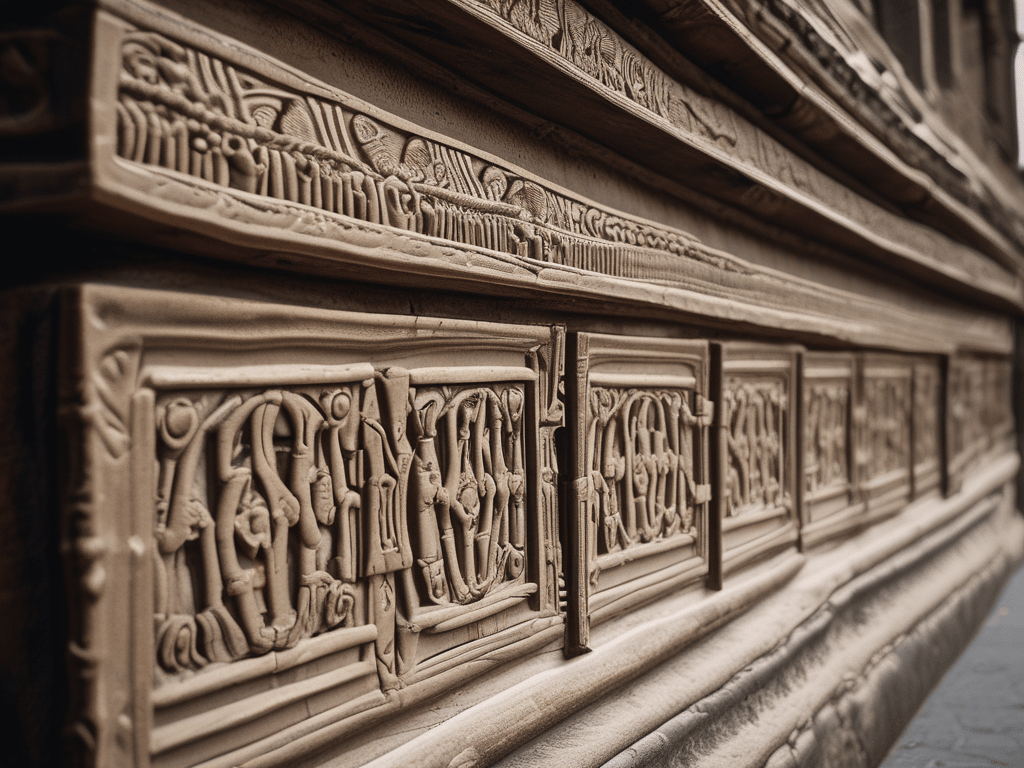
The architecture of Oxus is marked by monumental constructions such as palaces, temples, and fortifications. The remains of these structures reveal a sophistication in urban planning and construction.
Fortresses and Cities
The fortresses of Bactria, like that of Balkh, testify to the strategic importance of the region. Balkh, often called the « mother of cities », was a major center of commerce and culture. Archaeological excavations have revealed massive walls, watchtowers, and effective defense systems that demonstrate advanced engineering and architectural skills.
Temples and Sanctuaries
The temples and shrines of Oxus show a diversity of architectural styles. The Surkh Kotal Fire Temple, for example, is a typical example of the religious architecture of the Kushan Empire. This temple, built on a raised platform with monumental staircases, reflects Iranian and local influences. Buddhist shrines in the region, such as those at Fayaz Tepe, demonstrate the introduction of Buddhism to Bactria and the spread of Buddhist religious architecture.
Conclusion
Oxus Art and Architecture offers a window into an ancient world rich in cultural and artistic diversity. Persian, Greek, and local influences have intertwined to create a unique aesthetic, marked by remarkable technical and artistic achievements. The treasures and monuments of this region bear witness to its crucial role as a crossroads of civilizations, where the exchange and fusion of ideas gave rise to an enduring and influential heritage. Exploring this heritage not only allows us to better understand the history of Central Asia, but also to celebrate the richness and complexity of human interactions throughout the ages.
 Le Rig Veda
Laisser un commentaire