Introduction
The 7 Rivers Civilization, also known as the Indus Civilization, flourished between approximately 3500 and 1900 BCE in the Indus-Sarasvati Valley, a region covering northwest India modern and present-day Pakistan. This civilization is distinguished by its urban, architectural and agricultural advances. One of the most notable characteristics of this civilization is its extensive network of trade with neighboring civilizations, which played a crucial role in its economic and cultural development.
Internal Sales Networks
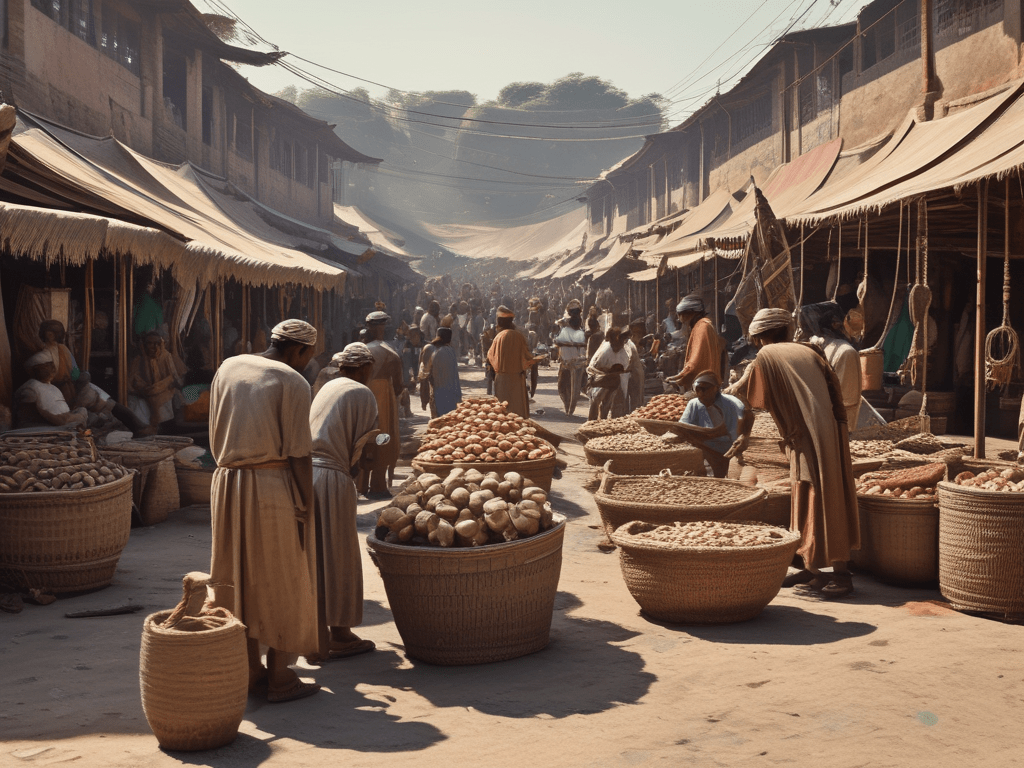
Before exploring trade with neighboring civilizations, it is important to understand the internal trade of the 7 Rivers Civilization. Major towns like Harappa, Mohenjo-daro, Dholavira, Rakhi Garhi, and Lothal were thriving urban centers. Well-developed transportation networks, including navigable roads and rivers, facilitated the movement of goods. Products traded internally included:
– Grains and foodstuffs: Wheat, barley, and other cereals were produced in abundance.
– Textiles: Archaeological evidence shows that cotton was grown and woven.
– Artisanal objects: Jewelry, pottery, and terracotta objects were widely produced and exchanged.
Exchanges with Neighboring Civilizations
Mesopotamia
One of the most significant trading relationships was with Mesopotamia, located in what is now Iraq. Mesopotamian cuneiform tablets mention a region called « Meluhha », which is often identified as the 7 Rivers Civilization. Exchanges between these two civilizations included:
– Agricultural products and textiles: The civilization of the 7 rivers exported cotton, textiles and perhaps cereals.
– Luxury items: Lapis lazuli, semi-precious stones and pearls were exchanged for silver, gold and other metals.
– Manufactured items: Soapstone seals, beads and pottery were popular export items.
Central Asia and Iran
Trade with Central Asia and Iran was also important. Trade routes through these regions allowed the flow of goods, including:
– Metals: Copper and tin were imported for the manufacture of bronze.
– Precious stones: Lapis lazuli and turquoise, often used in jewelry and art objects.
– Handicrafts: Manufactured objects from the 7 Rivers civilization were exchanged for handicrafts from Central Asia.
The Persian Gulf
Trade relations with the Persian Gulf regions were well established, facilitating the exchange of:
– Pearls and shells: Used in jewelry and ornaments.
– Wood: Imported for construction and manufacturing of various objects.
– Maritime products: Trade also included dried fish and other maritime products.
Modes of Transport and Infrastructure
Trade was facilitated by a well-developed network of land routes and waterways. Camel caravans crossed deserts, while boats traveled rivers and sea coasts. Ports like Lothal were important centers for maritime trade.
Cultural and Economic Impact
Trade had a significant impact on the civilization of the 7 rivers, promoting not only economic prosperity, but also cultural exchanges. Foreign influences are visible in art, crafts, and even spiritual practices. Additionally, access to varied resources has enabled the development of advanced technologies and innovations in various fields.
Conclusion
The civilization of the 7 rivers was able to take advantage of its geographical position and its resources to establish extensive trade networks with neighboring civilizations. These exchanges not only strengthened its economy, but also enriched its culture and promoted technological innovations. The study of these trade interactions offers valuable insight into the dynamics of ancient civilizations and their interconnection through trade.
 Le Rig Veda
Laisser un commentaire