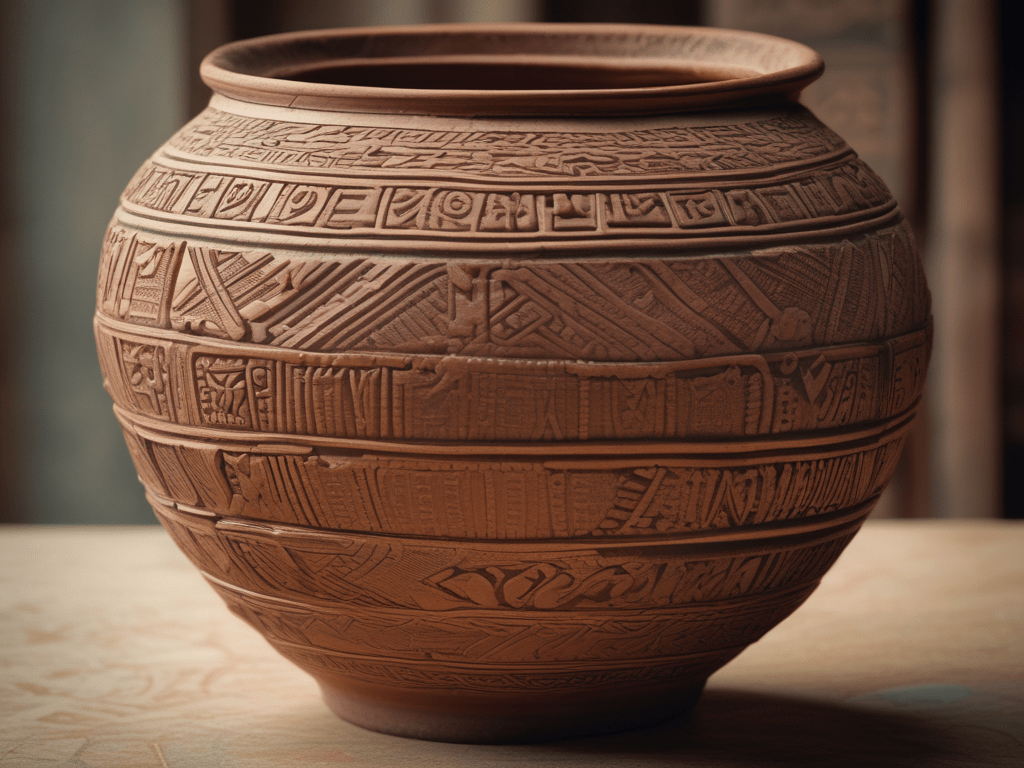
The Indus Civilization, also known as the 7 Rivers Civilization, is one of the oldest civilizations in the world, dating back to around 3500 BCE. Located in the Indus and Saraswati valleys, this civilization flourished in what is today Pakistan and northwest India. It is known for its well-planned cities, advanced water management systems and its still undeciphered script.
The 7 Rivers: A Source of Life
The term « Civilization of the 7 Rivers » refers to the seven main rivers which irrigated the region: the Indus, the Sarasvatî, the Jhelum, the Chenab, the Ravi, the Sutlej and the Beas. These rivers provided the water needed for agriculture, allowing the cultivation of wheat, barley, chickpeas and other staple foods. They also facilitated trade and communications between the different towns and villages in the region.
Urban Planning and Architecture
The cities of the 7 Rivers Civilization were remarkably well planned, with a grid street system, sophisticated drainage systems, and standardized brick buildings. Mohenjo-Daro and Harappa are two of the most famous sites, offering valuable insights into the town planning and daily life of this civilization.
Mohenjo Daro
Mohenjo-Daro, one of the largest cities of this civilization, is a striking example of advanced urban planning. The city was divided into residential and administrative areas, with public buildings like bathhouses and granaries.
Harappa
Harappa, another major city, also has similar characteristics, with well-organized streets and wastewater management systems. Excavations at Harappa have revealed sophisticated handicrafts, engraved seals and decorated pottery, testifying to a thriving artistic culture.
Economy and Trade
The 7 Rivers Civilization had a diversified economy based on agriculture, crafts and trade. Archaeological evidence shows extensive trade with neighboring regions, including Mesopotamia. The locals used standardized weights and measures and made objects from copper, bronze, gold and silver.
Writing and Culture
The script of the 7 Rivers Civilization, known as the Indus script, remains a mystery as it has not yet been deciphered. Soapstone seals and inscribed pottery suggest a developed communication system. The religion and cultic practices of this civilization are also little understood, but artifacts found, such as female figurines and amulets, indicate a rich spiritual and cultural life.
Decline of Civilization
The decline of the 7 Rivers Civilization around 1900 BCE remains a subject of debate among historians and archaeologists. Theories include climate change, invasions, earthquakes and floods that disrupted social and economic networks.
Heritage and Significance
The 7 Rivers Civilization left a lasting legacy that continues to fascinate researchers and history buffs. Its innovations in urban planning, water management and commerce influenced later civilizations in the region and beyond.
In conclusion, the 7 Rivers Civilization, remains a cornerstone in the study of ancient civilizations, offering invaluable lessons on the resilience, innovation and interconnectivity of human societies.
 Le Rig Veda
Laisser un commentaire